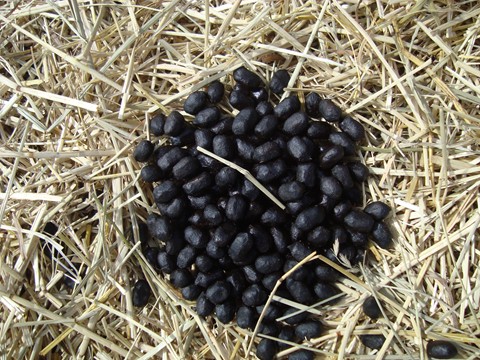
Cow Manure, you can use it to help your soil, your garden, you can dry it and use it for fuel for your fire and you can even make paper from it.. thanks to your cow (sheep, horse etc) ability to turn pasture or hay into tiny bits of fiber that get passed out the other way.. we can take advantage of the fact that around 50 to 60 percent of that cow pie is in fact useable fiber in paper making.
Now let me say right off, that if you want to “just” use cow poo fibers, you will end up with a different texture and a greenish or Tan paper, if you want to cut it with available white fibers from a hobby shop, you can get a very pretty flecked paper, and from there you can add in all kinds of things, colors, different types of fiber etc.
However I went for straight and plain. So first you need a source of cow manure, you need to have pie’s that are not having a lot of straw or bedding, that is has had time to dry out some.. These are about perfect for me..

Now comes the part that is just plain not fun but required.. if you can do this outside, I would recommend it, but if not, just clean the kitchen and sinks really well afterwards and open a window..
Put your tidied up, dried cow patties into a big pot, filling it no more then half full and then top it up to mostly full with water, bring to a boil, and stir to break them up as they heat up and start cooking.. Boil that sucker for at least 20 min, some perfer more like an hour, but to me that is overkill, your choice.. it will look like this when done..
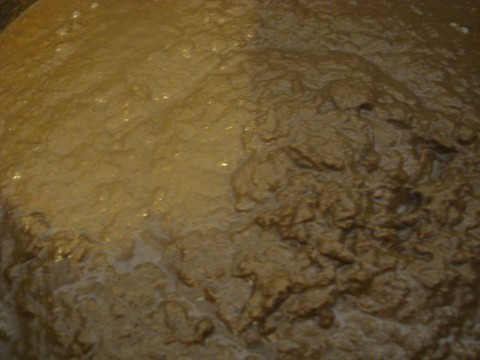
Now again, if you can do this outside with a pillow case or old linen, and the garden hose, saving that compost tea for some plants but its way to cold out there for that today, so I am working inside.. so in much smaller batches.
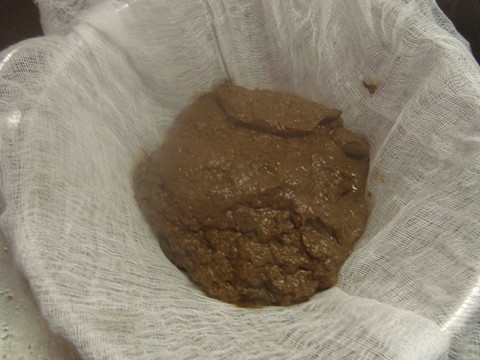
I used a cheese cloth, and you start running cold water in, then you lift the different sides until its a ball and you just keep running that cool water in and pushing it out, till the water runs mostly clear, the key is to run that water till there is NO smell left and all the extra’s are washed off, you will be left with the clean wet plant fiber.

Now some folks will put this back into the cleaned pot and boil it again, you can if you want, I don’t, at this point, you will have a whole bowl of this fresh cleaned fiber, it should look like this..

Now you have the your basic fibers, and if you want really course paper, it will work but while you want a rustic homemade look, I would not recommend it being quite this course, here is a close up view for you.

Now I like to put it back into fresh clean water and hit it with the blender stick, you can use a blender if you perfer, I find the first much easier to clean. It will cut the fibers into much finer peices and leave you with a smoother looking paper.. I went for a rough look myself today.

Here is my blended fibers in their pan and water, just waiting for me to dip my screen into it, remember to come in sideways and go all the way to the bottom and then bring it up and a gentle sway to level the fibers on the way up.
Now I would recommend that you flip it out onto damp felt and then cover with the same and press it down with a weight. Here it is on fresh out damp on my screen..

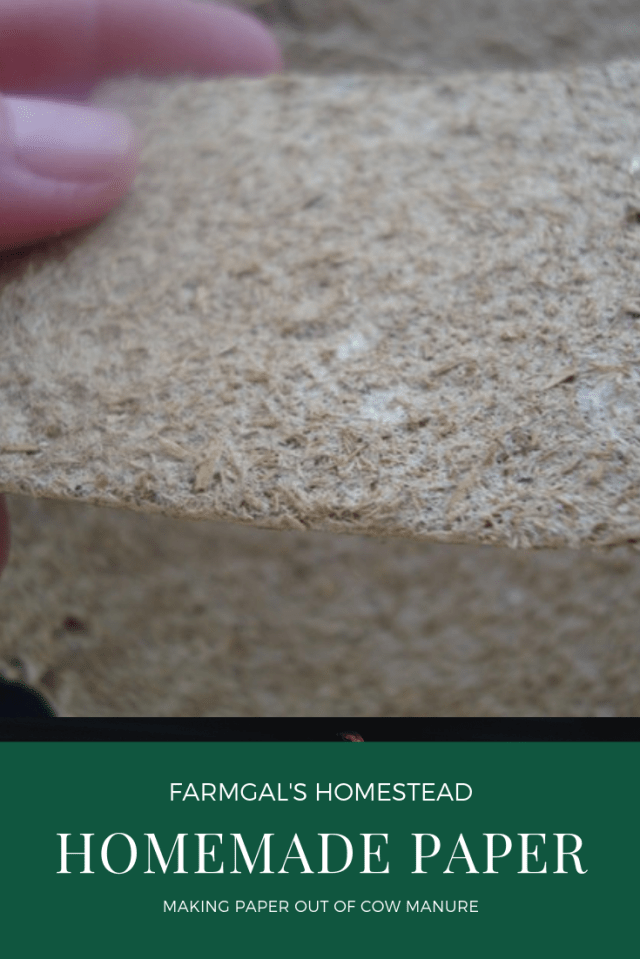
It looks dark right now, but I assure you it will look like a more lighter tan with green overtone when its finished drying out.. So here is the final product..
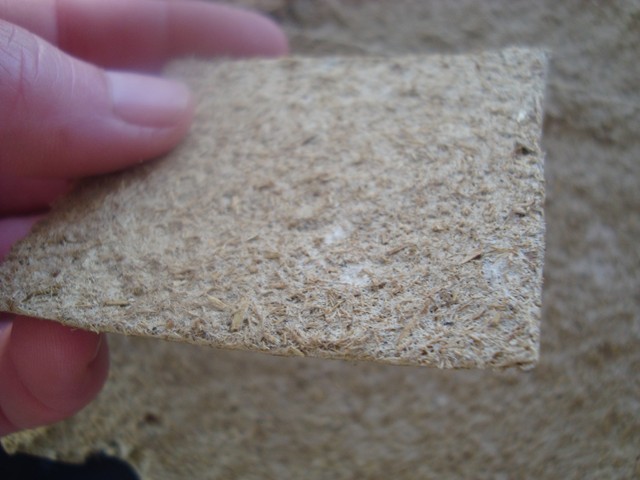
It turned out great, a few words of note, Even when this paper is fully dry its still going to be more fragile then store bought paper, treat and handle with care, second, because of its more textured surface, I would recommend a thin felt pen instead of a typical ball point pen. You will need a softer tip and more flowing ink to get a nice write out on it.
Otherwise kept in a box and treated well your paper will last a long time and a perk, it will recyle like a dream.
Working on making my own composting plant starter pots, plus will do some posts on how to use natural plants/mushrooms to create colored paper as well as how to add dried flowers to make flower paper later in the year.
Going to make this post part of the Homestead Barn Hop #6