High-Altitude Cold-Climate Gardening: Overcoming the Climate Challenges
Guest Post By Willowcreekfarm Part 5 of 5
This is our 5th and final post in this series. Click these links to read the previous posts.
Introduction
Overcoming the Terrain
Overcoming Soil Challenges
Overcoming Wildlife Challenges
We have a very short growing season (about 77 days frost to frost) and the climate here is cold, dry, and windy. Even in the summer we often go down into the 40Fs at night. And we often get wind gusts up to 100 mph in the winter. All these things present challenges to gardening, but we have found several successful ways to overcome them.
Dry Climate
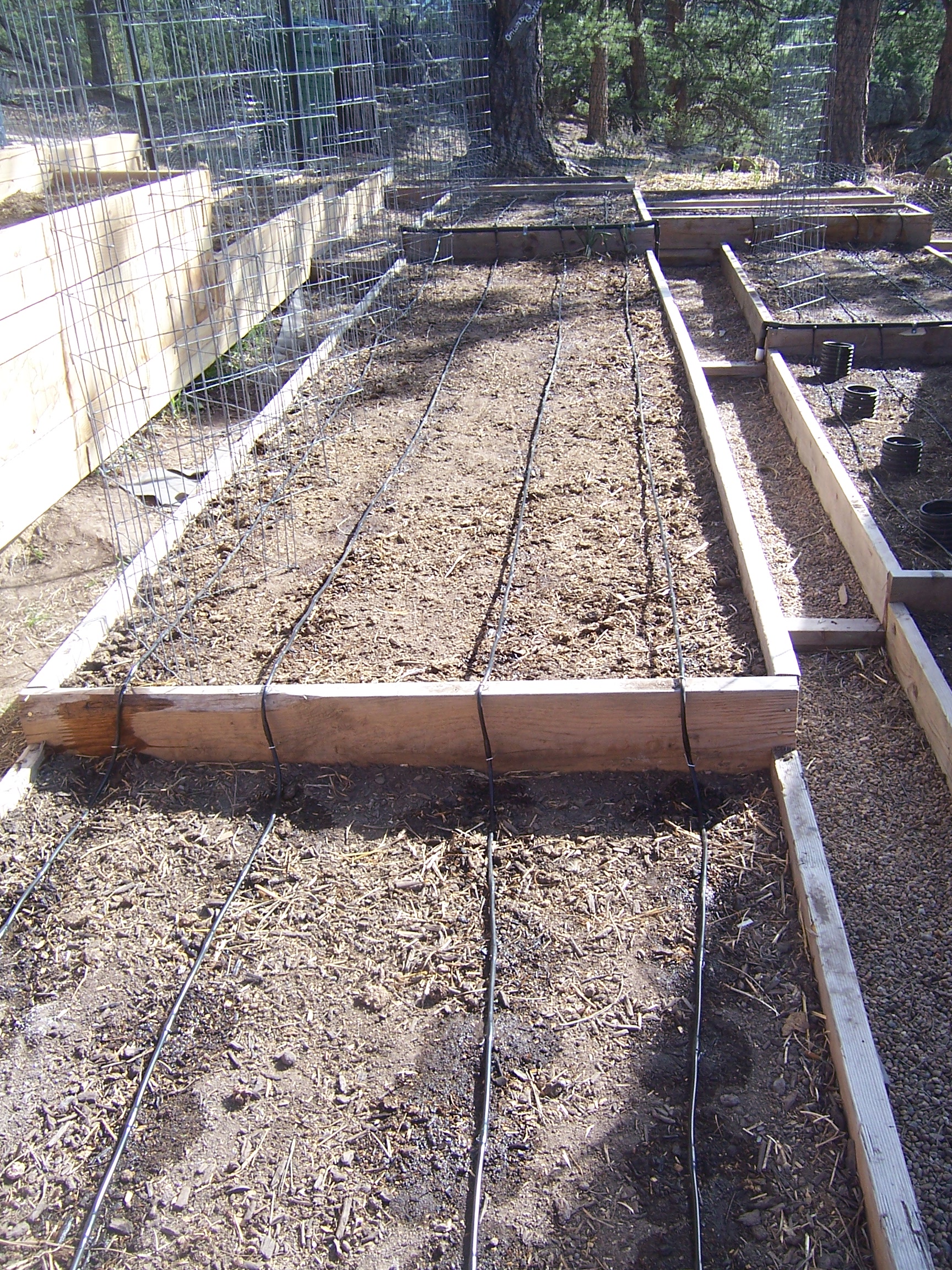
Due to our dry climate, supplemental watering is an absolute must-have for the garden. We have found that a drip system is the most economical way to go, and the plants seem to love it too. I describe the system and installation in more detail in a previous post, which you can read by clicking here.

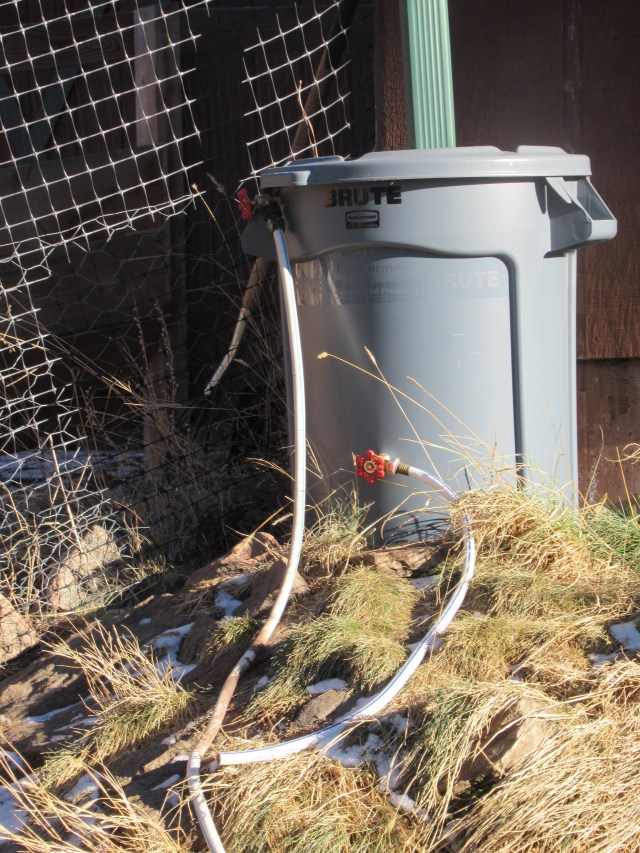
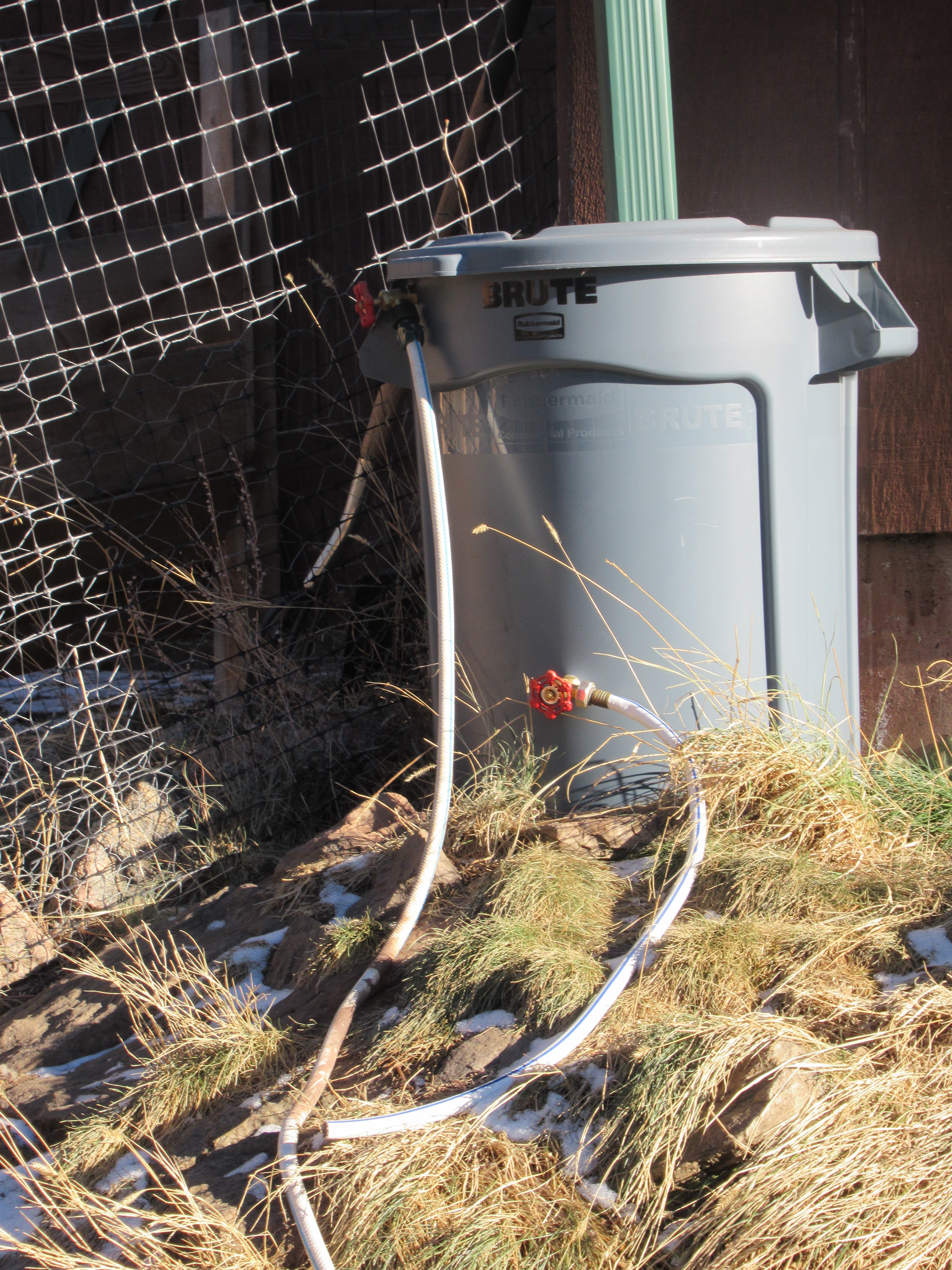
We also use rain collection barrels to help water our garden areas and save us on water bills. If this is legal in your area, it is an excellent way to water your garden and takes advantage of what rain you do get. We have purchased barrels, but they are so expensive that we prefer to make our own. To read about how to make them click here.
Windy Climate
The wind mostly occurs in the fall/winter/spring, which are not big gardening times for us. The way it effects the garden the most is by blowing away some of our soil each year, blowing away our mulch used to cover over-wintered plants, and wreaking havoc with our hoop tents and other season extenders.
As I discussed in the post about soil, we add a layer of compost to the entire garden each spring. This helps make up for the soil loss from wind, and adds necessary nutrition to the garden soil.

We often use straw to help insulate plants that we are overwintering in the garden for second-year seed saving. The wind will happily remove that straw for us, so we use bird netting over the straw and put rocks to hold down the corners of the bird netting.
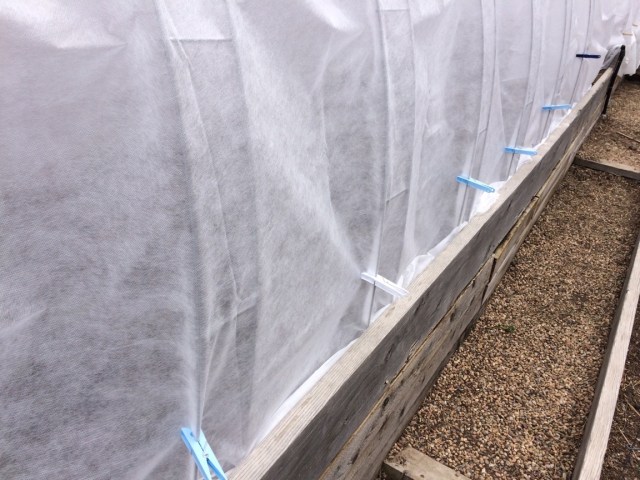
As for the wind trying to blow away our hoop tents and other season extenders, we use clothespins to hold the fabric on, and we secure the end hoops to the wood of the raised beds when needed. We also utilize long garden ground staples to help hold things down.
Short Growing Season and Cold Climate
One of the most important things we do to have a successful garden in such a cold climate with a short season is choosing the right varieties of veggies, ones that are suited for this climate and mature very quickly, and saving our own seeds from the plants that are successful in our garden.
Our favorite high-altitude cold-climate seed company is Seeds Trust. We have had great success with the seeds we get from them.
Each garden is its own micro-climate, no matter if it is in a similar climate as another garden or not. Because of this, saving seeds from your own garden is a great way to increase the success of your garden because you are saving from plants that have done well in your own little garden micro-climate. Always save from the best, most productive, and most disease-resistant plants.
I also usually try to save from the first-ripening plants as long as they meet the previous standards, because with our short growing season I want plants that mature as fast as possible. My favorite book on how to save seeds is The Complete Guide to Saving Seeds by Robert Gough and Cheryl Moore-Gough.
It is also important to choose vegetables that like cold weather. If you fill your garden with all hot-loving veggies, you are not going to have much success. Not that you can’t grow hot weather veggies, but they are going to take a lot more effort and maintenance and will likely not produce very well.
We have great success with beans (green beans and drying beans), beets, cabbage, celery, carrots, garlic, kale, leeks, lettuce, onions, peas, peppers, rhubarb, spinach, tomatoes, turnips, herbs, strawberries, gooseberries, and grapes. We have had some success and some failure trying to grow cucumbers, pumpkins, winter squash, and zuccini. We are continuing to try to find ways to make those successful.
We start some plants indoors and transplant them as seedlings, and some are direct planted into the garden. We base our planting schedule based on the last frost, and the first frost. We have tweaked this schedule based on our garden and how things work well in our garden.
It is a starting point for your garden, but not necessarily exactly right for your garden. It is important to take good notes and journal your gardening experience year after year, using those notes to tweak your plans to increase the productivity of your garden year after year.
Start indoors (weeks before last frost): Plant seedlings outdoors:
Leeks (11 weeks) 3 weeks before last frost
Asparagus (11 weeks) 4 weeks before last frost
Cabbage (10 weeks) 4 weeks before last frost (in hoop tent)
Celery (10 weeks) 3 weeks before last frost
Onion seeds (10 weeks) 4 weeks before last frost
Brussel Sprouts (8 weeks) 3 weeks before last frost
Broccoli (8 weeks) 3 weeks before last frost
Shelling Beans (4 weeks) After last frost
Direct Plant Outdoors (weeks before last frost):
Peas (6 weeks)
Spinach (6 weeks)
Lettuce (6 weeks)
Carrots (5 weeks)
Onion sets (6 weeks)
Beets (4 weeks)
Turnips (4 weeks)
Beets (4 weeks)
Turnips (4 weeks)
Shelling Beans (1 week)
Green, Yellow, and Purple Beans (after last frost)
Season Extenders
Someday we hope to have a greenhouse, and that will open a whole new world for us as far as gardening goes. But for now, we use other season extending methods to grow the heat-loving veggies.
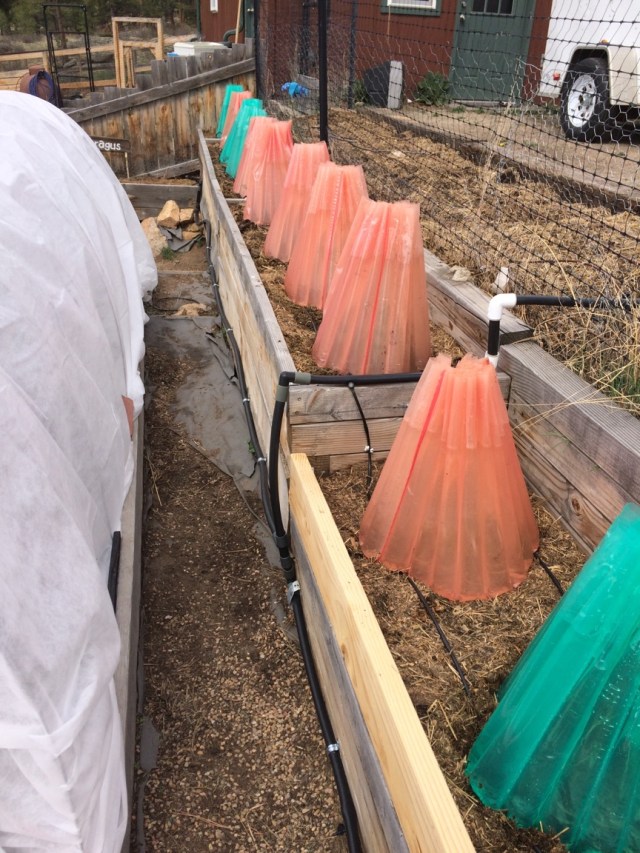
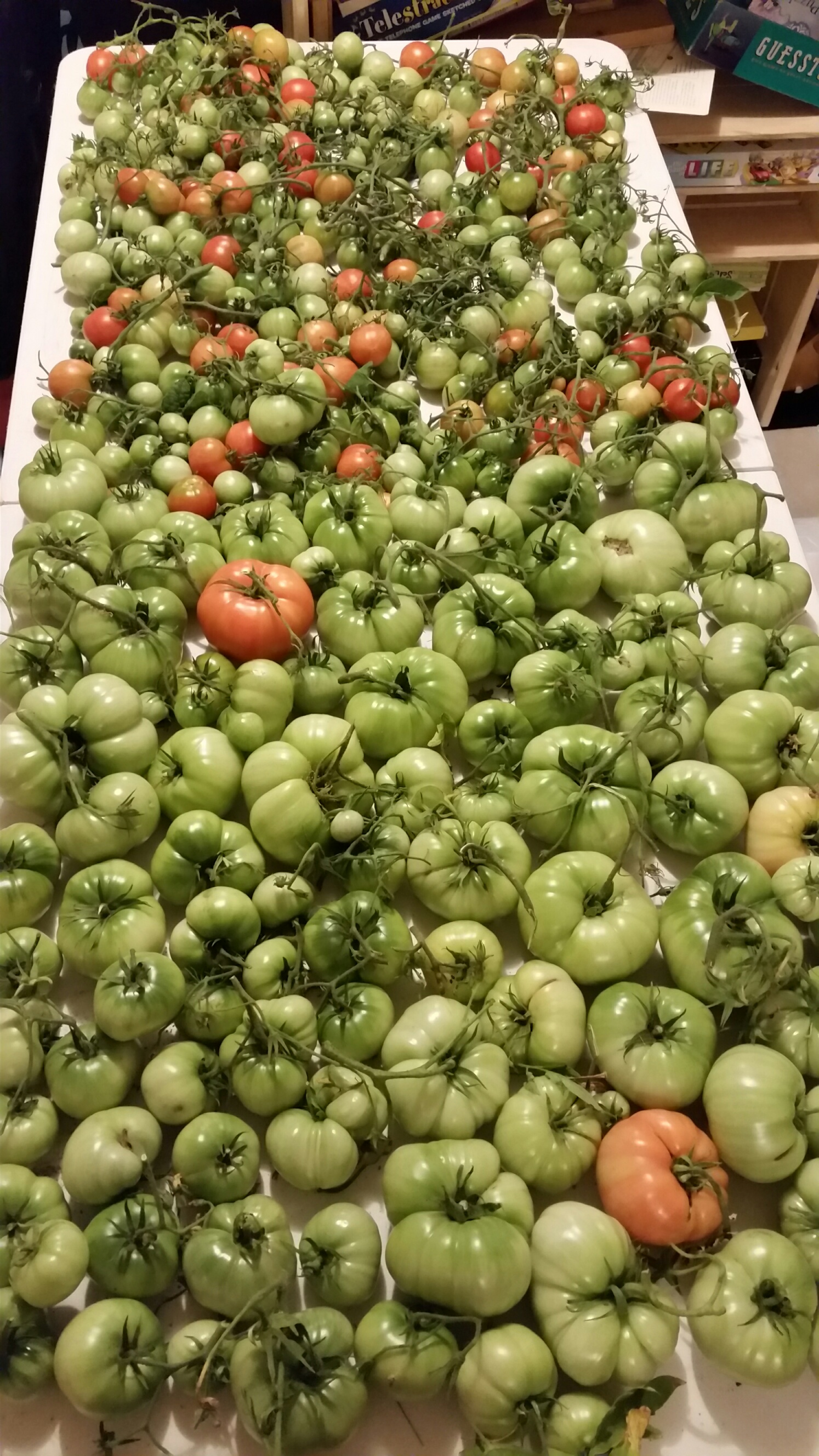
We are able to successfully grow tomatoes, peppers and herbs by finding ways to extend their growing season. We start the seeds indoors 10 weeks before the last frost. Then we transfer them outside into Wall-O-Waters 4 weeks before the last frost. We have tried many different season extenders, but the WOWs have by far worked the best for us for heat loving veggies and herbs. They are somewhat expensive, but if you take good care of them they will last for years and years.

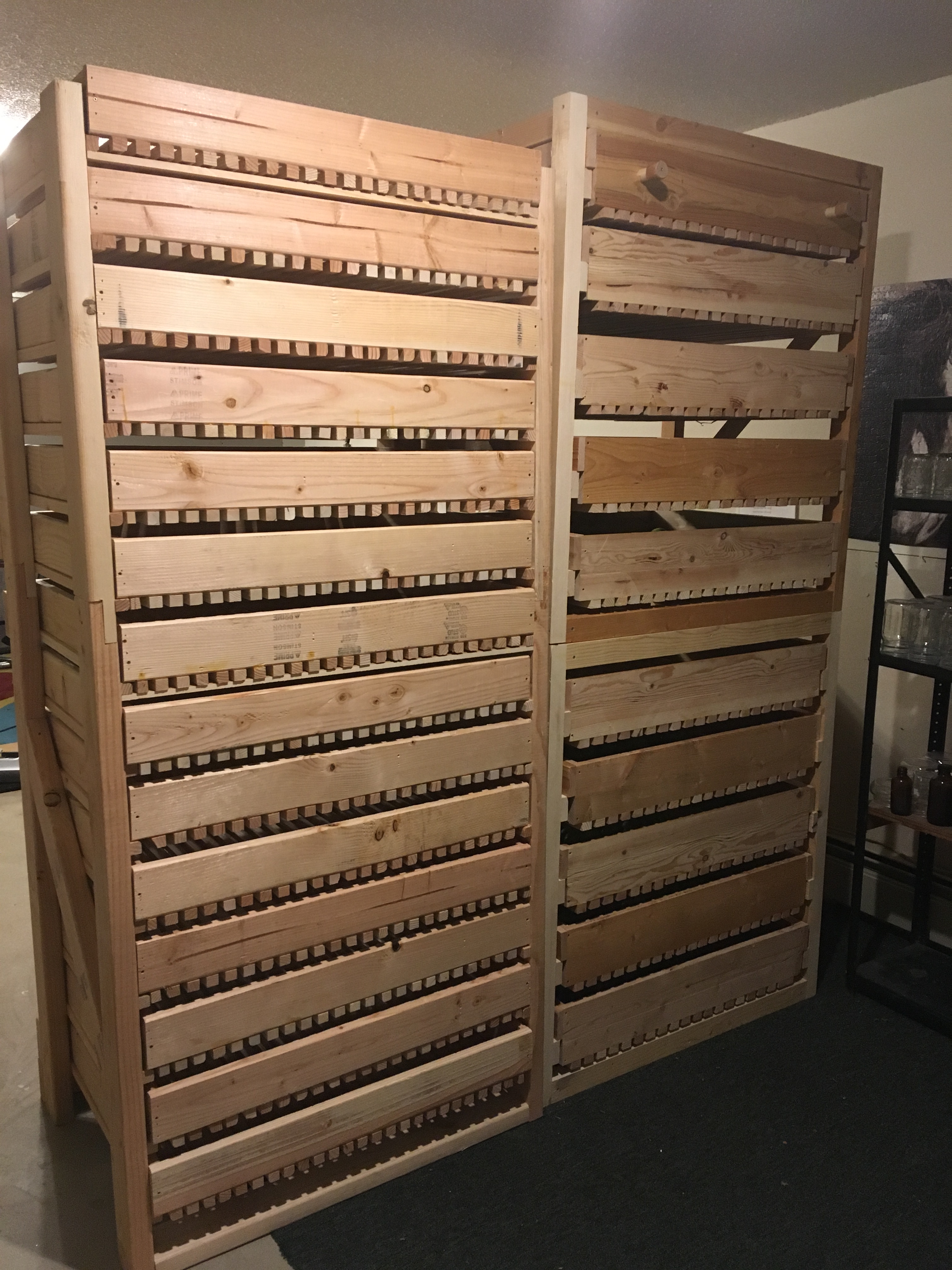
But this last fall we built some awesome root cellar racks to put them on, which saves us so much space.

To read more details on how we successfully grow tomatoes with such a short growing season and cold climate click here and here.
For the veggies that are a more cold tolerant, such as cabbage, beets, turnips, spinach, and lettuce, we are able to extend the season both in the spring and the fall by putting frost fabric hoop tents over them. These tents also prevent pests. We have minimal garden pests up here at high altitude, compared to warmer climates, but we do have some and these tents help a lot.

We use the all-purpose fabric, but by utilizing even heavier fabric, the season can be extended even farther.
The climate in the high-altitude Rockies can seem to make it impossible to garden successfully, but with some special care you can have success growing your own produce.
Overcoming Short Season, Cold, Dry, and Windy Climate:
- Use a drip system for watering and take advantage of rain barrels if legal in your area.
- Add compost to the garden each year to replace soil loss.
- Use clothespins, bird netting, and long ground staples to hold down your hoop tents, season extenders, and overwintering straw.
- Choose varieties made for your climate.
- Save seeds from your own garden to increase productivity specific to your garden microclimate.
- Plant vegetables that like cooler weather.
- Utilize season extending methods to grow vegetables that like hot weather. Specifically by starting indoors, using WOWs, harvesting before the first frost, and ripening indoors.
We have now discussed all the different ways we make our high-altitude, cold-climate garden a success. There are a lot of issues to overcome, but when dealt with properly you can have a super-productive summer season garden that produces enough to feed you year-round.
















 Just another Day on the Farm