
I hope the above link does work, I am not going to copy and paste parts of it here, its copyrighted but ideally go read it before reading mine.. however if you choose not to, here is the part I want to talk about.
Soil and Calorie crops.. Now I do want to admit that the first post that crossed over my feed was a much more negative write up in regards to his metal sea can’s and their growing systems in the cities and they were talking about the fact that given that they are growing micro-greens and so forth that they are quoted as selling at 2.5 oz at 7 dollars per bag with the cities putting in a million towards this..
I about choked.. if the cities put a million towards community gardens and school gardens at the same rate the amount of food that can and could be produced in across the board is crazy high.. then was the second choke point.. the clear split in the fact that only the upper class could afford to buy these little bags of greens at those prices. Yes it might help teach the how and why’s on the micro green growing and it might be good at teaching how to sell them.. and even give the younger adults in this some basic income..
Then I did more digging, I went digging into other stories on this, I went looking for the positive spin, I wanted to more info and I think the story I have chosen shows a more fair look then most that went all positive or all negative.. it gives the facts but is willing to show the split at the same time.
Then there was the third Choke point that sent me into rant mode at my hubby.. nothing being grown is a calorie dense crop.
I know that many calorie Dense Crops have bad names these days in so many diets But Potato’s, Carrots, turnips, Beets, Cabbage, Corn, Grains, sweet Potato’s, pumpkins and select squashes are point in fact what kept us alive for many generations. Be it as the extra’s that were used as much as possible for extra food-winter calories or in some cases were what kept the small farm livestock alive that provided the meat, milk or eggs etc.
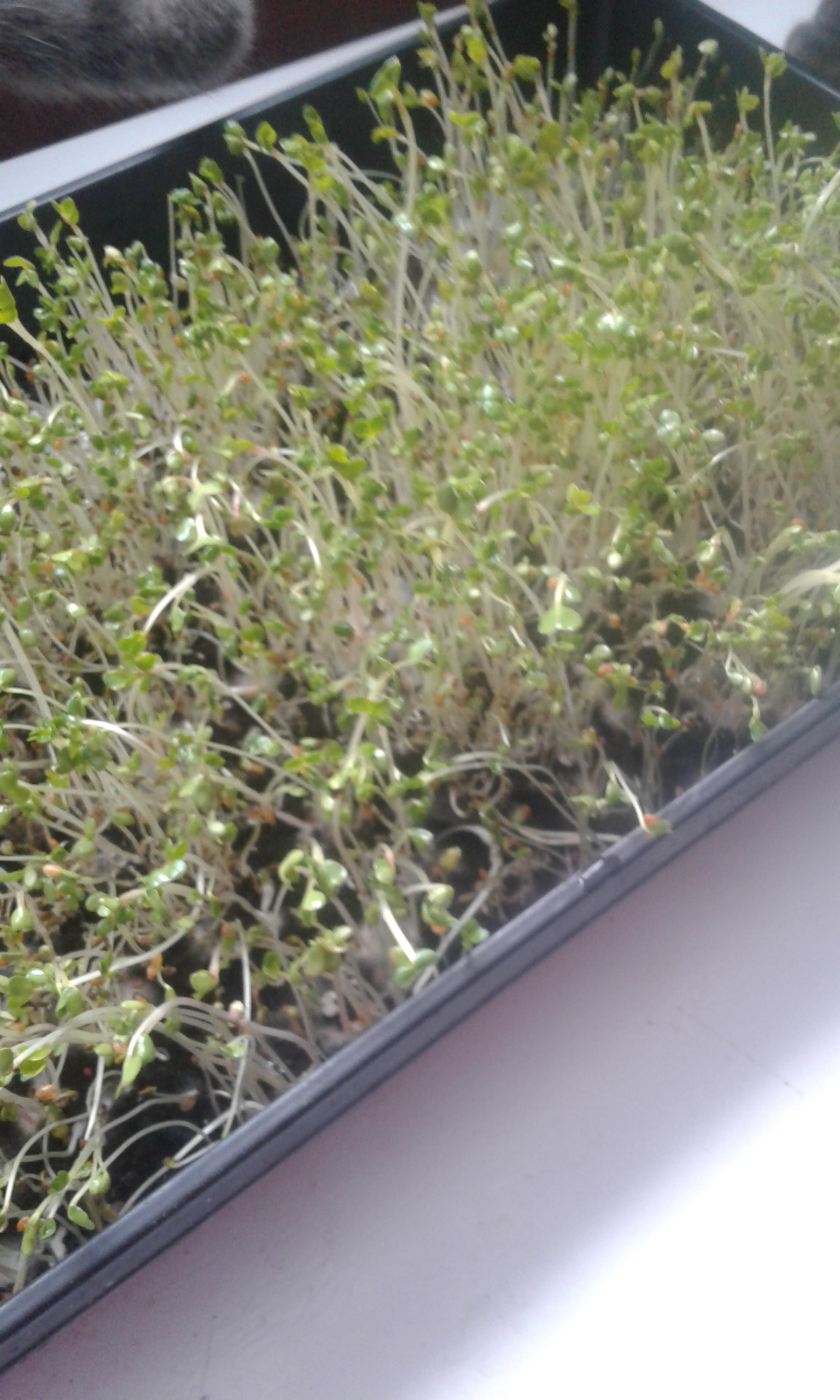
Its all well and good to grow sprouts, micro greens, herbs an flowers, its well and good to talk about scaling up and finding ways to provide a plate at 5 dollars from locally grown food. Now tell me how many calories are on that plate and where they are coming from.
Its really is good to have systems in school in regards to gardens and teaching food processing in kitchens.. but they are a bit out of touch in some cases, I had a 12 year old tell me that if you did not eat your veggies and fruit fresh, that if you had it dried, canned or in any way processed that it had no value. It was as startling to me to hear as it is when I hear about inner city kids that don’t know what different fresh food looks like as they only eat the processed foods.
BUT I want to see how you plan to grow calorie dense crops without soil.. (or some form of soil, be it compost, sand with extra’s added, peat moss or so forth)
What do you think? What are you seeing your community? Do you see it as a split between the haves and have not’s? Do you see it as a choice between those with land and those without?
I started writing this yesterday (and then the ice storm and power line down went up first today on the blog) and I mulled it over the night.. do I feel this way because I do have land.
Then I got thinking about the things we did in Iqaluit for years where I did not have land or soil per say.. Where we could not compost outside but had house worm compost bins, where I could not grow outside due to the climate and how we grew inside.. how soil was so limited and how we worked around it. How important those fresh greens were to us at that time, when the rest of the time we were eating dried or canned food most of the year when you could not get fresh country food from the local hunters store.
Its a multi layers subject to be sure but I always come back to the same thought.. bottom line.. you need this many Calories each day to live..















 Just another Day on the Farm