Seed Potato’s are in.

Yesterday was busy and then some and the weekend is geared up to be looking the same..

One of the things that came in yesterday was the notice that my seed potato’s were in the post office and that I needed to go pick them up.

I had ordered a few new kinds from Eagle Creek in Alberta, as I only had one kind of potato’s make the winter, we had a freeze happen lost a lot of spuds last fall after they were dug up, I was able to can up a lot and save some for the pantry but with the drought, no where near as much as normal.

We have Seglinde Potato’s from our own pantry but I also got a small amount of new ones from the order as well.. I want to see if there is any difference between the ones that came though the drought and ones that have not.. Time will tell.

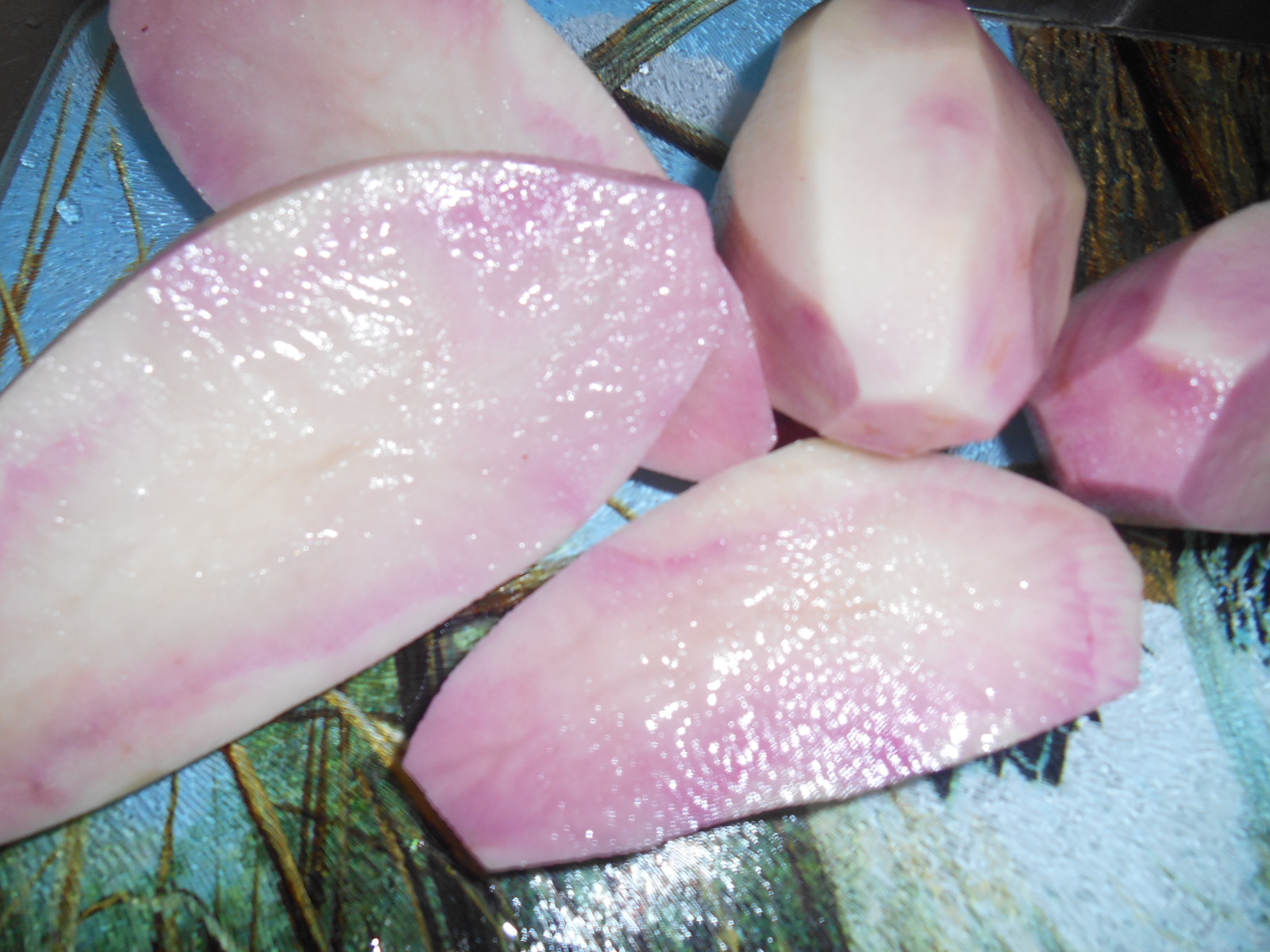
I had to order in Pinks as I had not held any over and they are impossible to find in our local area.. They change the amount of pink color inside year to year, but their taste is outstanding!

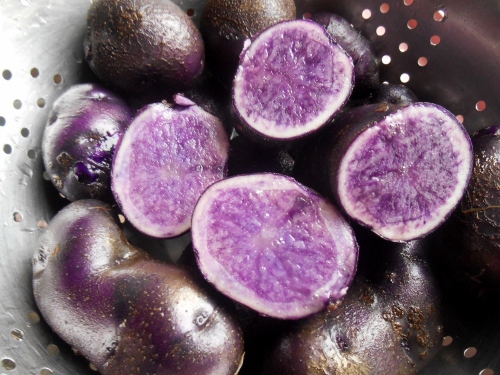
I do have some of my outstanding purple spuds to plant out again this year

This years new potato is German Butterball.. this is a very long season potato and I am told that it is a outstanding potato in all ways and that it is amazing as a longer term storage potato.. we will see.. we will see..  I have one plot of early, one plot med-season and one that goes well with either early dig or leave for fall and one that is late, late, let it go as long as you can fall dig..

This year I am only growing 5 kinds of potato’s ? how about you?


Posted in Garden | Tagged , , , | 4 Comments

Herbal Wormer and Spring Tonic Balls

This morning, I mixed

  • 1 cup of DE Dirt
  • 1 cup of garlic powder
  • 1/2  a cup of TURMERIC
  • 1 tsp of black pepper
  • 1 cup of molasses
  • 1 cup of mineral and Vit blend from the store for sheep
  • 1 cup of dried rose hips
  • 1 cup of dried mixed nettles and Comfrey greens
  • and 6 cups of milking blend feed
  • Somewhere around one cup and bit of water..
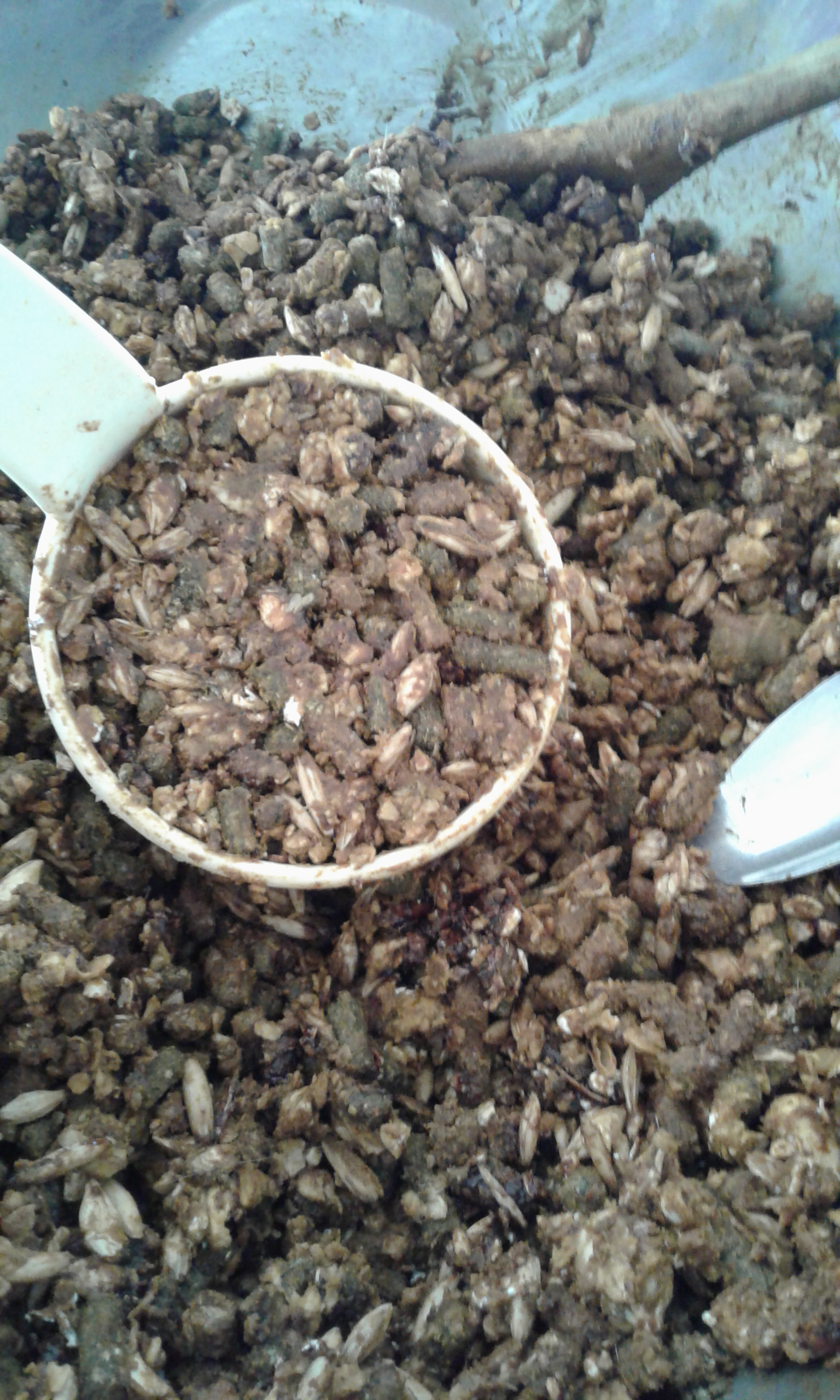
  • you want to mix your Molasses into the dry feed blend first, then add all your herbs and mix it though, then drizzle your water over top, just a bit at first and mix it though. let it sit a min or two to soak in and then try packing it into your measuring cup for portions, if it won’t pack tight, its to dry.. it should NOT be wet.. just moist enough to stick together well.

This was all mixed together and then large dose balls were created for the Big Adults and smaller dose balls were created for ewe’s

The critters love these, the only real issue is trying to make sure that bigger pushy girls don’t get extra dose’s trying to steal the less ranking girls “treat”

Posted in Herbs | Tagged , , | 4 Comments

Emergency Meal Kit Challenge!

This is a interesting reblog and a new challenge, the Canadian government wants the average person to have a min of a 72 hours kit, now that’s great.. I thinks its a little short, give most things that get really hairy are longer then that.. but lets give on that and do  the general with recommended 72 hours.

The idea belongs to Homestead Revival with credit given for the post from 2011 and idea 6 years ago but we are going to do a new part two post later today and I am going to make box with photos and I am challenge you to make one too.

Even if you don’t, consider writing in the comments on what you would do different in your box an why or if blogger and you make a box, I will do third post with feedback 🙂

Just another day on the farm's avatarJust another Day on the Farm

Homestead Revival is hosting a Emergency Meal Kit Challenge, its a interesting idea, I have to admit that DH was not quite on board, he just looked at me and said that is the point of the pantry, and I see his point, I really do.. however where the challange was for me is the idea of a whole day of planned meals that would all last six months in storage while at the same time as homemade as possable.. while having limited water and heating..

Now the idea is that its a natural weather issue that knocks out water and power for three days in the house, but we are in fact home when it happens, I have to admit that do store water by the case in the bottles for so many days, I also store water by the drum, but given that I also have a hand…

View original post 426 more words

Posted in Life moves on daily | 2 Comments

Growing Feathers! The Chicks are no longer fluffy!

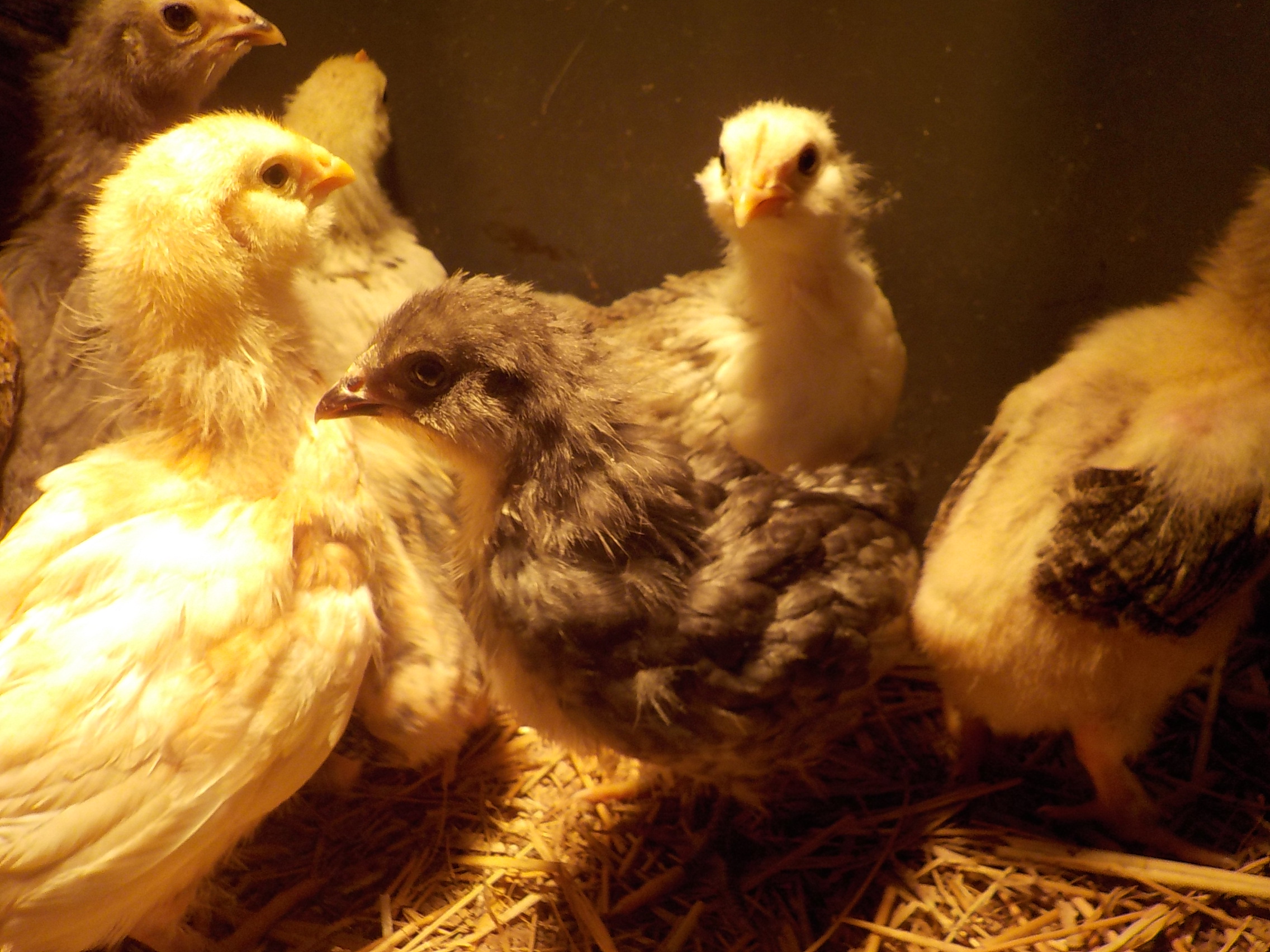
Dear momma pointed out that I had not taken any new photos of the chicks in a while an she is right.. They are growing well, doing great, active and bright eyed, clean legs and feathers are coming in.

I have some pretty colors in this chicks, Black’s, Dark and light Blue’s, Cream’s and more..

Three toed chicks and five toed chicks, in some cases combs are starting.. I have my bets down on six hens and the rest as roo’s but that’s just a guess based on wing tips as day olds and as we all know, that’s is helpful but still a guess.. We will see, I am positive that the big solid black chick is a roo, just the build, the head shape an the comb already coming in screams it to me.

This photo shows the red in the back and the what will be a soft cream with light browns in the front..  I like the cheek puff on the one I the middle..

Just because I am on baby post.. Fat Bellied little wee jumping beans in their nest..

There mother says.. please cover them back up and GO AWAY!

And little Jayda says, Ha, someone left the top of the feeder open and I was caught sleeping in the hay!

And last but not least.. a bright spot of color to add to your day!

Posted in Chickens | Tagged , , , , | 1 Comment

Sunday’s course- Disaster Planning

Last night I reposted a post I did 5 years ago on basic information in regards to it being prepared just in case and went into a lot more detail in regards to things that history shows us can happen in Canada.

Today I am going to repost a post I did from last year where I took a day course and came home with at home study book and planner on tips on what to do in regards to livestock. The focus of this post was touching more on barn fires as there had been a lot of them that winter, with many animals lives lost.

However there was very good information in the booklet in regards to flooding and livestock as well.

Just another day on the farm's avatarJust another Day on the Farm

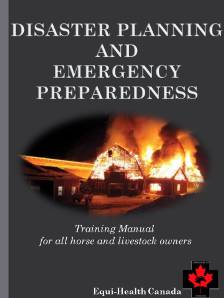
The course I took on sunday was put together by Equi-Health Canada

http://www.equihealthcanada.com/

It was the Disaster planning and Emergency Preparedness Course

manual%20cover%20disaster%20planning

“A MUST for any livestock owner, this course will train you in fire prevention, planning for and executing save evacuation procedures, hidden dangers and responding to first aid emergencies. It also covers what to do in natural disasters such as flooding, ice storms, hurricanes, tornadoes and more.  Don’t be unprepared – we can help you help your animals.  This course is suitable for any livestock operation, not just horses.”

These are not cheap courses but they are solid and good.. they send you home with homework and work to do on your own place, they are a great mix of learning and hands on..

I really like this about the course, you get to do drills and hands on with the horses and work in the barn and more.. Sorry…

View original post 428 more words

Posted in Life moves on daily | 2 Comments

Did you know that this week is Emergency Preparedness Week in Canada?

It seems timely in a way to talk about the fact that this week is Canada’s Emergency preparedness week. I am sharing a post I put together five years ago as a starting point for some planned posts to come this week

Just another day on the farm's avatarJust another Day on the Farm

http://www.getprepared.gc.ca/cnt/rsrcs/ep-wk/tlkt-eng.aspx

Using technology during a disaster

We rely on technology more and more to keep in touch with our family, friends, and colleagues with a click of a button.

But what happens in the event of a major emergency? Suddenly these tools can become vital in helping you and your family deal get in touch and stay informed. So here are some tips on the use of technology in an emergency:

  • If possible, use non-voice channels like text messaging, email or social media. These use less bandwidth than voice communications and may work even when phone service doesn’t.
  • If you must use a phone, keep your conversation brief and convey only vital information to emergency personnel and/or family. This will also conserve your phone’s battery.
  • Unable to complete a call? Wait 10 seconds before redialing to help reduce network congestion. Note, cordless phones rely on electricity and will not work…

View original post 1,932 more words

Posted in Life moves on daily | Leave a comment

Comfrey- Livestock Feed

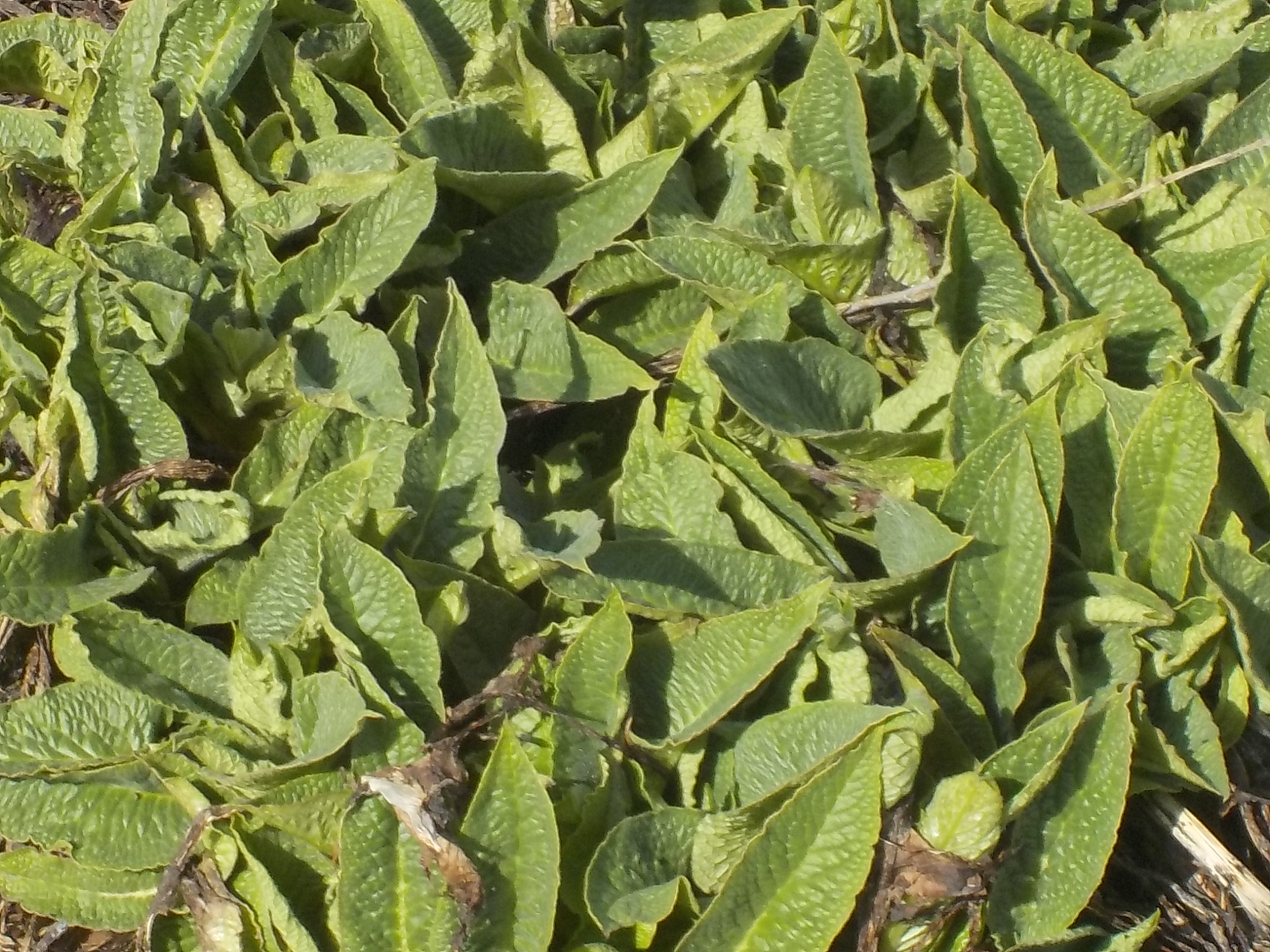
This was taken at the end of April of the comfrey coming up, there are a number of smaller plants that will be dug up and moved into rows for production but my bigger older plants like the one above will be harvested three to four times though the season

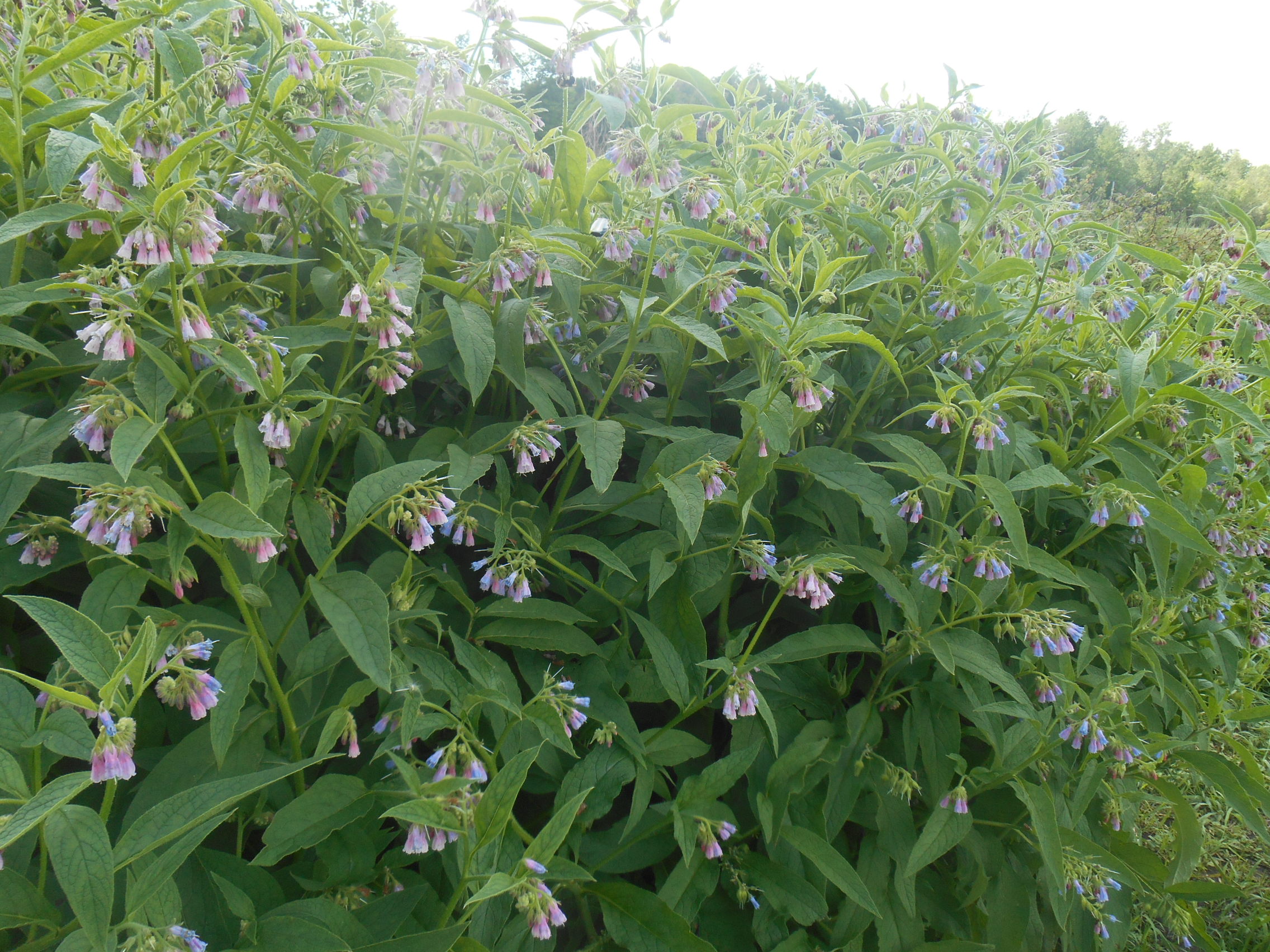
Some will be allowed in turn to bloom for the bees and then cut back as others come on-line to help draw and feed them, some will be used for compost to feed the garden and some will be used in salve making for our own use but right now in spring because of the way the things are going, its main use will be for milking moms and weaned lambs

The chickens get 3 oz per bird per day, the piglet get a pound per day, the weaned lambs get half a pound per head working up to a pound per day, the milking rabbit does get a leaf a day and the milking sheep a goat can get up to two pounds per day.

My rates are far under what is used in other livestock programs due to the fact that I am still increasing my growing program on this while watching health and livers in my animals.

Please note that in Canada,  human internal use of comfrey is not allowed legally and that you can not buy salves, lotions and so forth with comfrey for external use, you can still own and grow comfrey for permaculture uses, garden uses and if you choose for your own personal use livestock fodder.  As you will figure out quickly, you can no longer find Comfrey for sale in Canada in the herb or garden centers..

However it is found often at local free plant events, church plant sales and local plant swaps most often as a bee plant.

Do your own research on this outstanding plant, look to the many! animal feed studies down on it in Europe an if nothing else grow it for the garden an the compost pile as well as for the bees 🙂

Posted in Life moves on daily | 22 Comments

Lets talk Berms

I will admit that my mood is not good this morning, I have had this page open for writing todays post for hours now and I have struggled.. I want it be a more positive post but the truth is that does not match my waterlogged cranky I am butchering today mood.

So I have decided to meet this half way.. lets talks about pig wallows, swells and Berms. The farm is on river loam with clay if you dig far enough and let me tell you, you need to dig for it, not far from the farm, we have the Bourget Desert, you have heard me talk about hiking, and riding in the local forest..  That forest is Canada’s largest man-made forest and it was created for a purpose.

This article originally appeared in Trail & Landscape 2004; 38(1):3-19.

The Prescott-Russell sand plains underlie much of the Larose Forest and the area is drained by both the Ottawa and the South Nation Rivers and tributaries. Elevation is 61–84 m above sea level, thus the terrain is generally flat with only a few small ravines or gullies (OMNR, n.d.). When the vast Champlain Sea receded about 9,000 years ago, it left widespread deposits of Leda clay in its wake along with scattered islands of sand, remnants of the broad river deltas formed when water from the Great Lakes swept into this inland sea. In time forests grew and spread across the land. No doubt the primary forests of this area were composed initially of spruce, poplar and tamarack species, with later additions of pines, particularly red pine on the sandy soils. The trees would have been of impressive size in this pre-logging era. Fires, windfalls, and browsing by animals, were the principal agents of change, along with clearings created by small populations of native peoples. Even the incursions of fur-traders would have had little overall impact on the forests. It wasn’t until the late 18th century that real change began.

The sound of the lumberman’s axe was the death-knell for the great trees, downed to feed the insatiable demand by the Royal Navy and others for timber. By the middle of the 1800s most of the best and biggest trees had vanished, and it wasn’t long before lumber mills began processing the smaller trees left behind when the choice timber was cut. About this time, mid-19th century, settlers began clearing land for farming. It was reasonable to assume that land which supported such a rich tree-cover would provide fertile soil for agriculture. But this was not the case. The sandy soils were no good for crops and the removal of tree cover along with man-made fires to ready the land for planting, created instead a bare landscape with conditions ripe for erosion. The problems arising from this were manifold and certainly unforeseen. Year round streams dried up or became intermittent at best (Reid 1979), and the land around present day Limoges and Bourget became known as the Bourget Desert.

And just across the river within hiking distance from the farm across the farmer’s field is the ghost town of Lemieux. The town was moved between 1989 and 1991 after soil testing revealed that the town was built on unstable Leda Clay, a subsoil that can liquefy under stress.

This proved to be a good choice as a landslide on a farm very close (I will take photos this summer for you) as that is one of the places we go pick apples and other fruit from the tree’s left behind.

There are pins in the farmers fields that are tracked by satellite to see if our land is moving and how much each year. So its safe to say that everyone who lives here know we are in a flood zone, having said that to date while the fields and pastures flood, the Big Barn and the house have not done so in over a hundred years. Without the sump pump, the cellar would certainly be an issue but everything has been built with flood in mind, everything power related is four feet off the floor, everything in the cellar has been built and or raised up at least a full 12 to 16 inches.

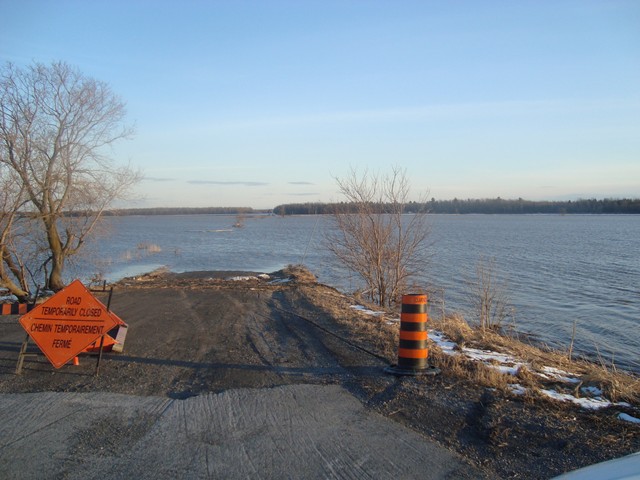
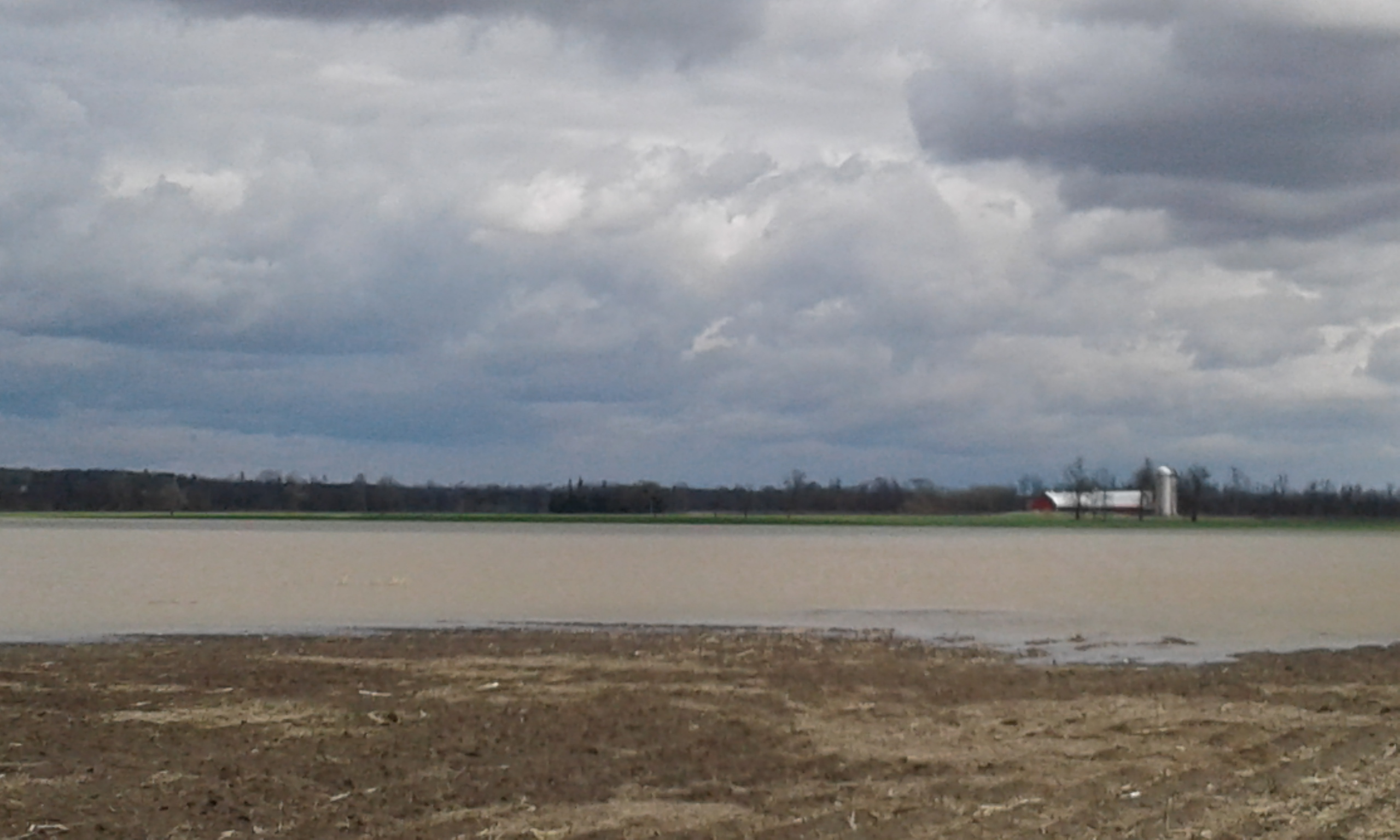
Hundreds of acres of farmers fields are flooded out and over the local roads

But the biggest thing that to take that has worked for five out of 13 flooded springs has been a mix of land grade and the berm, I have put the pigs to work and created wallow ponds to help fill and slow down the water movement in the valley that crosses over corner pasture and the big pasture, moving out into the little pasture.

The two high spots on the farm are the Big Barn and the house.. both are graded up compared to the rest of the farm’s land.. but it would not be enough without the berms.. I  wish I had a photo of the Berm to show you what I mean but in the small pasture, someone? who owned this land created a two and half foot Berm that the water has to cross over but its on a natural slope that pushes it down the wall an that leads to a both a ditch that runs to the road ditches (or in really good floods, it is where we go canoe as it closes the road and is just a lake at the edges of our property,) When its not 150 plus acres of flood like that, it connects and drains into the setup at the end of that pasture that is tiled helping pull the extra water away, while my wallows and swells, help hold water the rest of the time on lean times.

I am thinking that I might want to talk to hubby and consider adding height to some of the ones that are already in place and I am wondering if I should be considering adding one along the big pasture side but If I do decide to that, I will have to hire someone to take a good hard look at it and make sure its built to specs and that it does not reduce water to my well..

And people wonder why I put up extra when I have good years 🙂


Posted in farm | 9 Comments

One foot in front of the other..

We had as much rain in 24 hours as we normally get in a month and across the Ottawa river on the Quebec side they have called in the army to help.  The rain has come down softly at times, filtered with sunlight, the rain has come down steady with grey sky’s and its come down in sheets so thick, that you can’t see what is in front of you.

We have dripping gear and coats hung up to dry, we have mud everywhere.. thick clinging mud, pulling and sucking at our strength in so many ways, reminding us that we must look down if you want to have a chance at your footing, and the slog to do chores is real and taking 3 to 5 times longer do to the fact that everything takes longer to move, haul and shift.

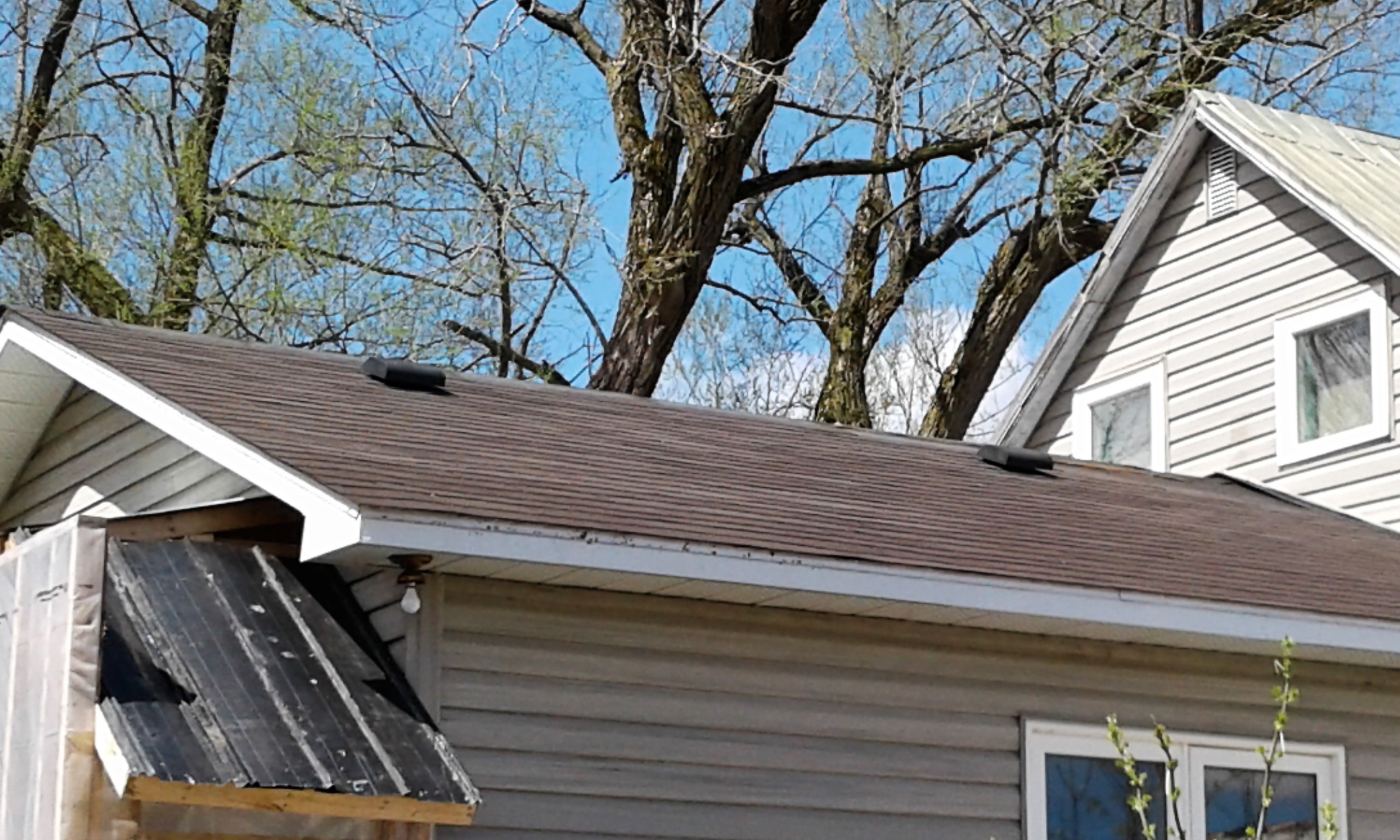
To say that I am grateful that my new roof is on would be a very fair statement, yes I know that there is still the ridge cap needed after this photo but that was done etc. I just didn’t get a photo of it.. so we got the tin on the porch and the work all done on the roof and a very good thing it was finished before this storm system arrived.

On my drive yesterday, I was so surprised to see so many places that had landslides in the farmers fields, anywhere that there is hilly, there are numbers of places where tree’s and whole sections of land just let go due to the amount of water moving under it.

One less yearling ewes in our flock as of today, I plan to butcher out five more over the next two weeks..

That’s what I got today folks.. one foot in front of the other.. one moment to the next.. tomorrow is new day!


Posted in Life moves on daily | 14 Comments

Rain, so much Rain..

My Pastures are reflecting silver and the ground is a sopping mess, its green, but the cooler temps me that its growing slower, the only critters on the pasture is Caleb and Bojangles and they are into spring graze mode.  They are still on hay but they are eating less and less and grazing more and more, We feed them in the lean too side of the barn so they are out of the rain and standing on dry cement as I am trying to give a hard dry standing area for at least a few hours a day.

Our creek is behaving, its full and its overflowed its banks at touch but nothing like earlier this spring, and so far our river (South Nation) is right at the edge, it is over spilling. . this 100 plus acres was dried out and then our second floods came..   Our farm is doing just fine, the sump pump is running regular and our ditches are full but the pastures around us are wet but not flooded.

But the Ottawa river.. wow.. the Ottawa is overflowing and within 30 min of the farm, there is some real damage going on.

http://www.cbc.ca/news/canada/ottawa/flooding-in-the-ottawa-region-1.2604214

http://ottawa.ctvnews.ca/widespread-flooding-forcing-evacuations-in-maniwaki-1.3393373

Now this has lead to something I wish it was not.. its pushing the hay shortage. As Regular readers will remember we have a crazy hay shortage last year.. the drought took our hay costs right though the roof and I was lucky enough to get my hay for the winter, but I was given orders to not add anything new to the farm, unless I could find a second source for hay as he had just enough for my regular.  I made sure to tell him that a second horse would be coming in and to hold it for me.

So my hay was booked till end of may at which time we should have our first hay cut.. but we are not going to get it.. the rain and wet means no cutting, drying etc.. and the cold temps mean everything is slow to grow.

My hay guy informed me that I am out of my Large Sqaure Bales and that we will be switching to Large rounds, which is ok.. not quite as easy to work with but certainly just fine in and of itself.. but far more worrying is the amount of hay that is left.

So we will be butchering Bullwinkle early, I can feed 8 ewe’s with lambs on side daily for the same amount of hay that Bullwinkle takes Daily.. its a numbers game.  I had plans to keep him over the spring-summer and butcher in the fall.

Nope! not going to happen..  So we keep my two biggest hay burners (that are going NO WHERE) the horses on the pasture and take the damage and work to repair it when the time comes..

And we slow down the amount of hay being used on the farm to stretch those round bales till we can get a first haying in and or till the pasture has more growth and can handle more grazing pressure.

Sometimes you just need to make the hard calls..


Posted in At the kitchen table | 4 Comments