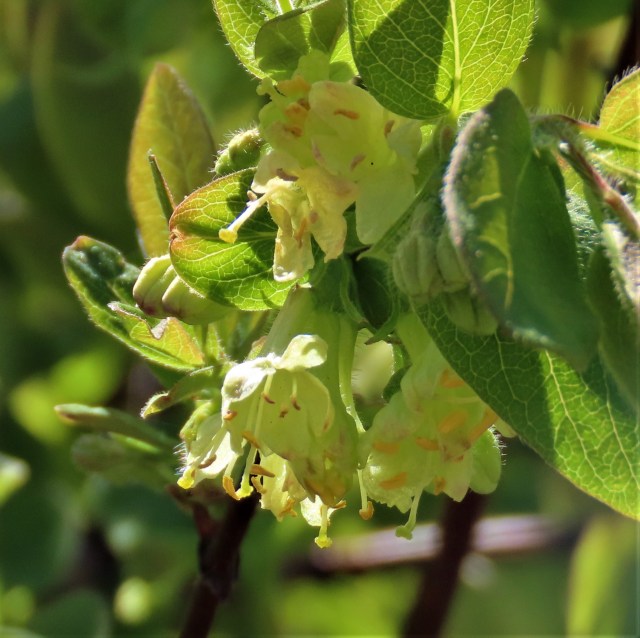
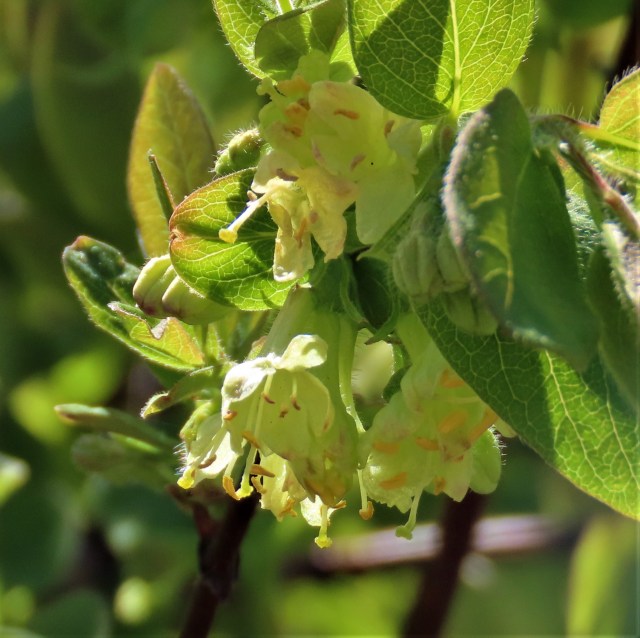
The Spring Haskcaps or Honey Berries depending on what you call them are in full bloom finally, they are solidly 3 to 4 weeks behind as is everything.. however we have gone from cool to summer heat.. so all the different haskcaps have or are in bloom over the past ten days. It will be interesting to see if this effects fruit timing as they are to go over a two to six week period but with the closer bloom times, will have closer fruiting timings?
Moving right along now the current are loaded indeed.. all the current bushes of different colors are massively covered.. In flower budding up stages are gooseberries, saskatoons, pincherries and the oldest of plums.. so its slowly but surely coming along now..

One of the biggest stories in our national news is about the Bees and the winter die off.. Its not just been a local die off, its been a national across the country die off.. The Honey bees I was hoping to get this year are a no go.. the person I had booked with does not have enough and I am to far down the list..
This last of honeybees that are ready to go for the spring has direct impacts not just on honey and honey costs down the road in the fall, not just on bee costs, the cost of a queen and nuc has doubled locally if you can find them and want or are willing to pay that price..
Its going to effect a ton of locally produced foods leading to even higher food costs.. as if we needed another player in this rising inflation.
Like Cranberry’s with your Turkey Dinners or Orange Cranberry Jam? Looks like it could be a rough year for the largest producer area’s in the world in terms of pollination..
“Every summer, he rents some 1,000 hives, which he sets up around the bogs where the cranberries grow.
The region where Decubber is located is sometimes referred to as Canada’s cranberry capital, and is one of the largest producers of the fruit in the world”
But its not just Cranberries.. o no.. its not!
“Sébastien Laberge is a third-generation beekeeper and honey producer who runs La Miellerie St-Stanislas with his family in Saint-Stanislas-de-Kostka, Que., about an hour southwest of Montreal.
Laberge lost 70 per cent of his bees over the winter. That has been devastating for his business because half of his revenues come from renting out his bees to blueberry, apple and vegetable farms for pollination.
“We get calls every day for either blueberry, cranberry. We just don’t have any bees right now to contract out,” he said.”

One of the things we have talked about a lot over the past years is supporting native bees as well as small homesteaders supporting Mason Bees (both early and mid spring types) and Leaf Cutter Bee’s and lets me tell you, I am so happy to report that my yards, food forest and gardens are swarming with all kinds and sizes of natives.

No mow may is a very real thing these days, are you waiting to mow? Hard to believe that its only be around for four years now as its very common to hear peaple talking about it.. Now more then ever with the honey bee overwintering and losses, we must plan and support our native bees.
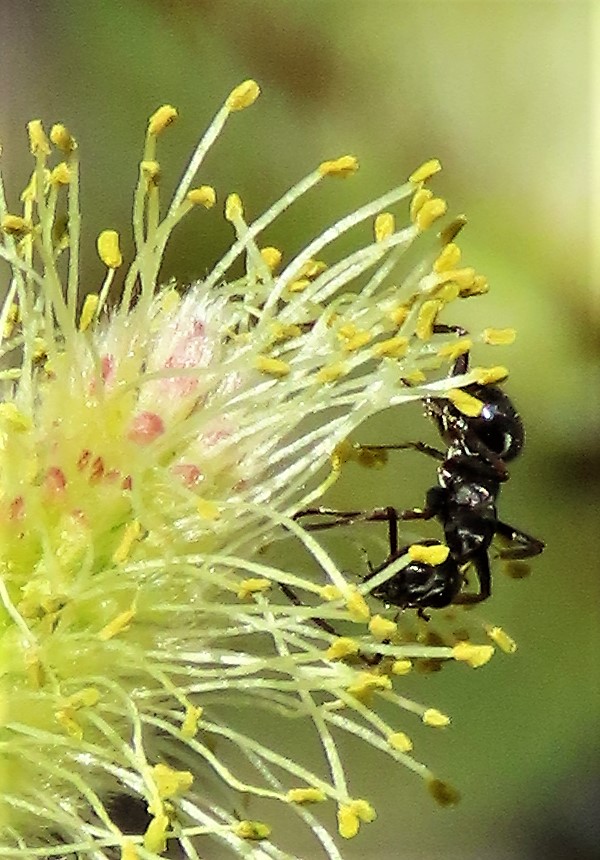
Just remember there are more then bees that are act as pollinators.. one of the worst is ants, they are not very good at it.. but they are on the list and expect that they do more then most folks think for certain plants at certain times.. thankfully there are lots more in the middle, not as good as bees, not as poorly at it as ants..
Did your Honey Bees make the winter? How is your yard looking for natives this year? Are you looking and considering work arounds on certain things.
Example: If the price of cranberries gets to be to costly, I will replace them with High Bush Cranberries grown here on the farm or could be locally harvested in a forage way.. Many peaple have these bushes and consider them to be bird food so the odds are in your favor to finding them for harvests from folks that have no plans on using them for their own use.













 Just another Day on the Farm