Sunday’s course- Disaster Planning

The course I took on sunday was put together by Equi-Health Canada

http://www.equihealthcanada.com/

It was the Disaster planning and Emergency Preparedness Course

manual%20cover%20disaster%20planning

“A MUST for any livestock owner, this course will train you in fire prevention, planning for and executing save evacuation procedures, hidden dangers and responding to first aid emergencies. It also covers what to do in natural disasters such as flooding, ice storms, hurricanes, tornadoes and more.  Don’t be unprepared – we can help you help your animals.  This course is suitable for any livestock operation, not just horses.”

These are not cheap courses but they are solid and good.. they send you home with homework and work to do on your own place, they are a great mix of learning and hands on..

I really like this about the course, you get to do drills and hands on with the horses and work in the barn and more.. Sorry, I did not take any photos at the session this time..

DSCN4700

Just like in the Horse first aid course,  *which I took last year where you get to do it hands on.. it was a busy full course.

The biggest take a ways for me was..

a) you have 30 seconds to get your horse out of the barn and if not, move on.

b) move the horses that will allow it to move, no fighting, if it will not go.. leave it (an yes I know that is a hard things to wrap my head around)

c) once you see flames and or certain other warning signs, you have three min before it will go up and you and everyone is done.. Its not like the movies or shows.. get out of the barn.

D) save the give up horse that has its head down, they have much less likely smoke lung damage, and if they have a window, they will put their noses to the window for clean air, and remember the smoke is as deadly as the flames.

e) Peaple First, Call for help and then help what you can otherwise, get out!

Bottom line, once there is a fire, its done.. its all about prevention!

When it comes to the others things, pack and leave while its a asked for evac, because onces its a forced leave, they will care only about you and nothing about the critters..

Most excellend idea, keep a big fat black marker or fabic marker to write your name – number in dark or white colors (depending on the critters color) on the necks of your horses and remember that you must have proof of ownership to get them back..

PS, when it comes to the micro-chip, its the last recorded owner that gets the critter, regardless of how long the animal has been owned or lived with you.. change your data on the chips!


comment Rebecca, worth adding right here

Good tips! Re. getting them back: Scan or take LEGIBLE photos of sale/adoption pics, and email them to yourself, along with pics of the animal and CUs of any distinguishing marks (scars, too) and identification tag/tattoo/chip numbers. Hardcopies kept in vehicles can be lost to flood, fire and other issues, and are only a backup. With electronic versions, all you have to do is hit print or play for two minutes and have a “missing” poster to send out or paper the world with. If they have a medical need or prescriptions (humans, too), scan/pic those, too.
Posted in Life moves on daily | Tagged , | 4 Comments

Melting weekend-garden

Much to my pleasure, got to find time to put in a few hours on sunday in spring cleanup and combo it out in regards to the front yard garden. I was on a course from 9 till 3 on sunday.

Hubby and I enjoyed working together, but he noted that we are a full month ahead, I both agree and don’t.. in the main garden, we have two plus feet of snow, in other yard gardens, same thing.. the reason I caved last year and we built the front gardens last year a) I wanted more garden space but b) this was the area that let us work it weeks earlier an that is proving true again this year.

P1060116

So it was suiting to put in a couple hours of manual work, we have decided to build some new rabbit hutches this year, but none the less our current hutches have a winters worth of garden gold under them, well as many layers as possible till you hit frozen 🙂

P1060117

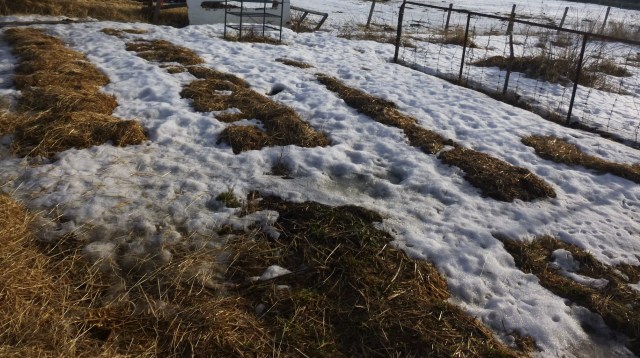
The front garden is the first to appear.. the raised beds are up higher, heating up faster and the water around and under them is melting, full sun, lots of layers from last year and spring water and you can see them composting in place..

P1060118

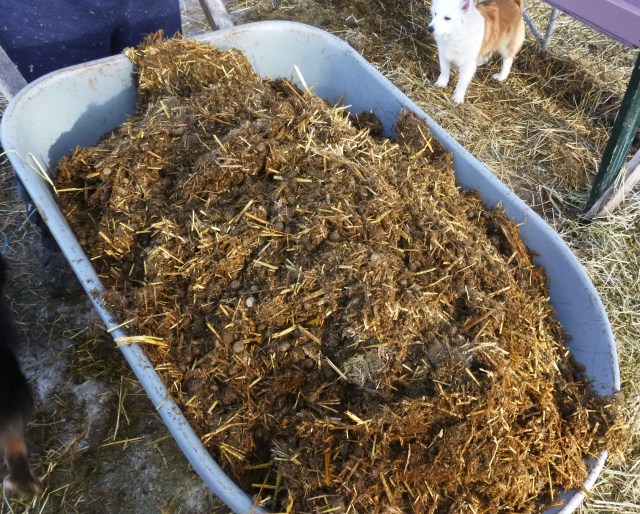
so it was a perfect day to start adding the spring compost top up, different gardens will get different things, but the rabbit poo, leftover hay and straw mix is a cool manure, no issues placing it directly into the bed as long as I choose what is planted there with care.

P1060119

Last fall, at least a dozen full wheel barrels of 1st year compost was added around the teepee and the garden area was expanded and the compost there is already peeking though the snow.. I think we might need to put the ladder up inside and clean up the material from the top..

P1060121

this week, I will be getting out and checking on the state of a number of bushes, I was very surprised to see buds on the lilac yesterday, I want to see how the clove currents made the winter.. today we expect freezing rain they say.. we will see..


Posted in Life moves on daily | 4 Comments

Spring, gardens, muck and lambs..

What can I say, I am so busy outside on the these first days of warmer melting weather, and busy with lambing, that I am behind on my blogging..

So once again, this is a photo heavy post 🙂 but its wee lambs..  and a few other things.. lol

P1060018

The main garden is still under a great deal of snow and in need of spring clean up, the only garden that didn’t get a fall clean up.. figures.. but at least as the rest are all done, it will mean more time for this one.

P1060047

The current lambs are all doing great, growing like weeds and soon I will be able to start doing milk sharing, very excited about that..

P1060057

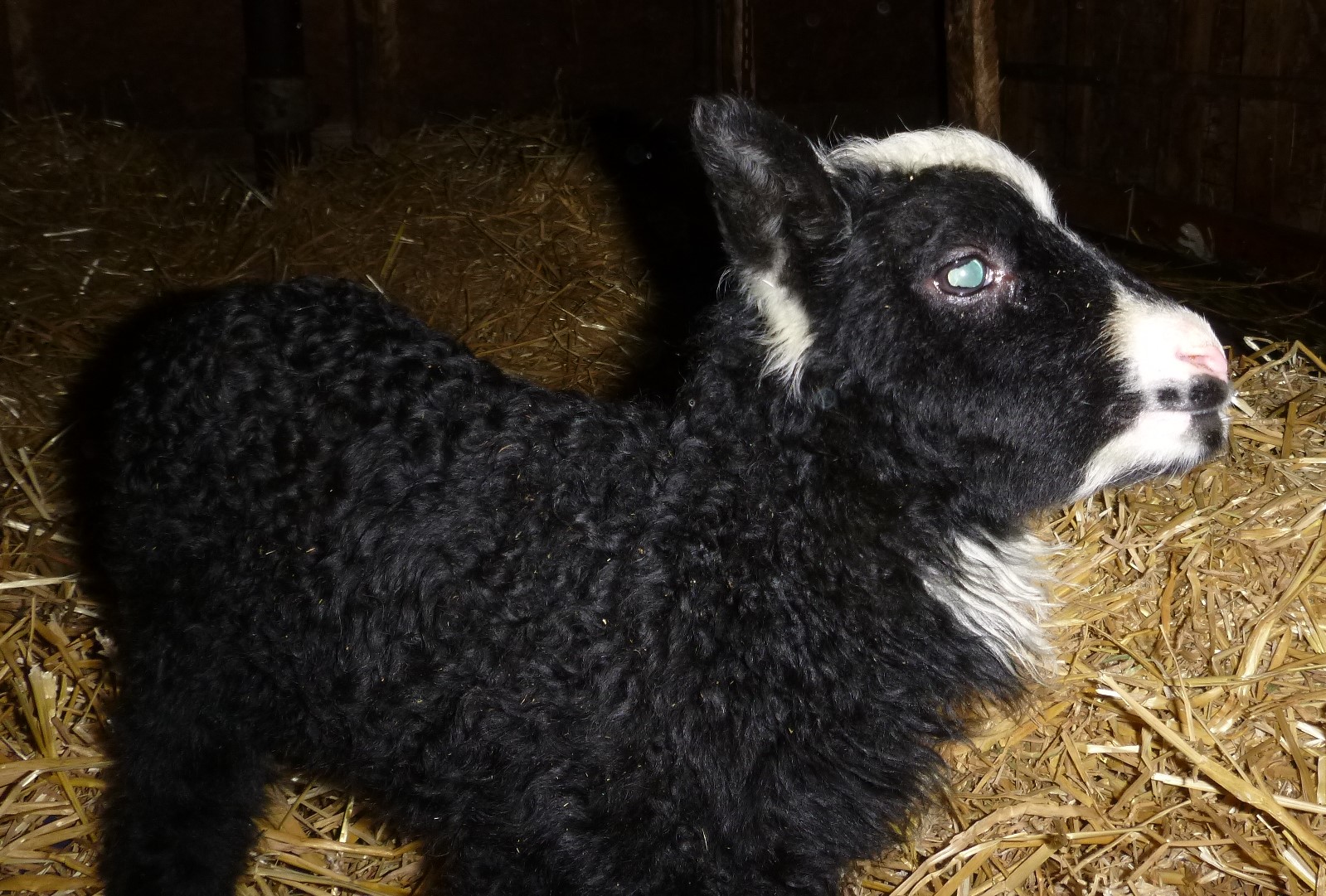
My only set of wool lambs are black and White this year..so cute, this is Blackie, the ram lamb of the set, his sister has a bit more white.. love this wool coat on him, he is greatly taking after his father in wool type.

Speaking of wool, I have my March Invest in the farm coming.. (it might have something to do with sheering the sheep) because someone does not want to hand sheep if not required.. power all the way..  This weekend and over the next while, I will be practising shearing on Ice and then I have a coat on Whiskey, which I am hopeful that will have useable but I held back my old full wool lamb from last year, he will be sheared, and will be working with his wool as carefully as possible and see what I can get made out of it.

I will have white and black wool to work with this spring..

P1060049

But I am so bad at just hanging with the lambs..

P1060058

Having said that, I need to get more seeds started, I need to get pens ready for moving birds into breeding groups and I need to get a my spring hot box made along with a number of other spring things including grooming my mucky horses and getting my walks in..

P1060065

Are you just loving spring! Are you getting busy now! or are you still in winter mode?

Posted in Life moves on daily | 2 Comments

Breeding Lines -Sheep

While this is on sheep, the truth is knowing, understanding and running female breeding lines applies to all your breed programs, everyone is always so worried about the males..

I hear it all the time.. the stud gives 50% of the genes, that is true but most new folks and even a lot of longer term folks, also change their males every year or every two or three at a max, and so that he gave 50 percent only matters in two ways..

A) did he create a issue, was something breed in that was a issue for this years lamb crop.

B) if you held something back.. if you do not like what that ram produced, its a very easy and simple answer.. make him a terminal Sire.. butcher the offspring.. and wow.. that male that everyone thinks controlled 50%.. now has O effect on the long term genes of your flock.

Now your females, that is a different matter, while they are more limited in how many babies they will produce for homestead or small flocks owners, they are the very backbone of your breeding plans.

For myself, at this time in the flock in 2016, I have Butterscotch line, Mocha Line, Stomp’s Line, and I have added in two new lines, Ice and Tess.

My Butterscotch line is over done, I need to go hard line on her line, no keep backs for three years, remove the least productive ewes from it, I need to add one more ewe from the Mocha line but I have time to make sure its a great female ewe to do so..

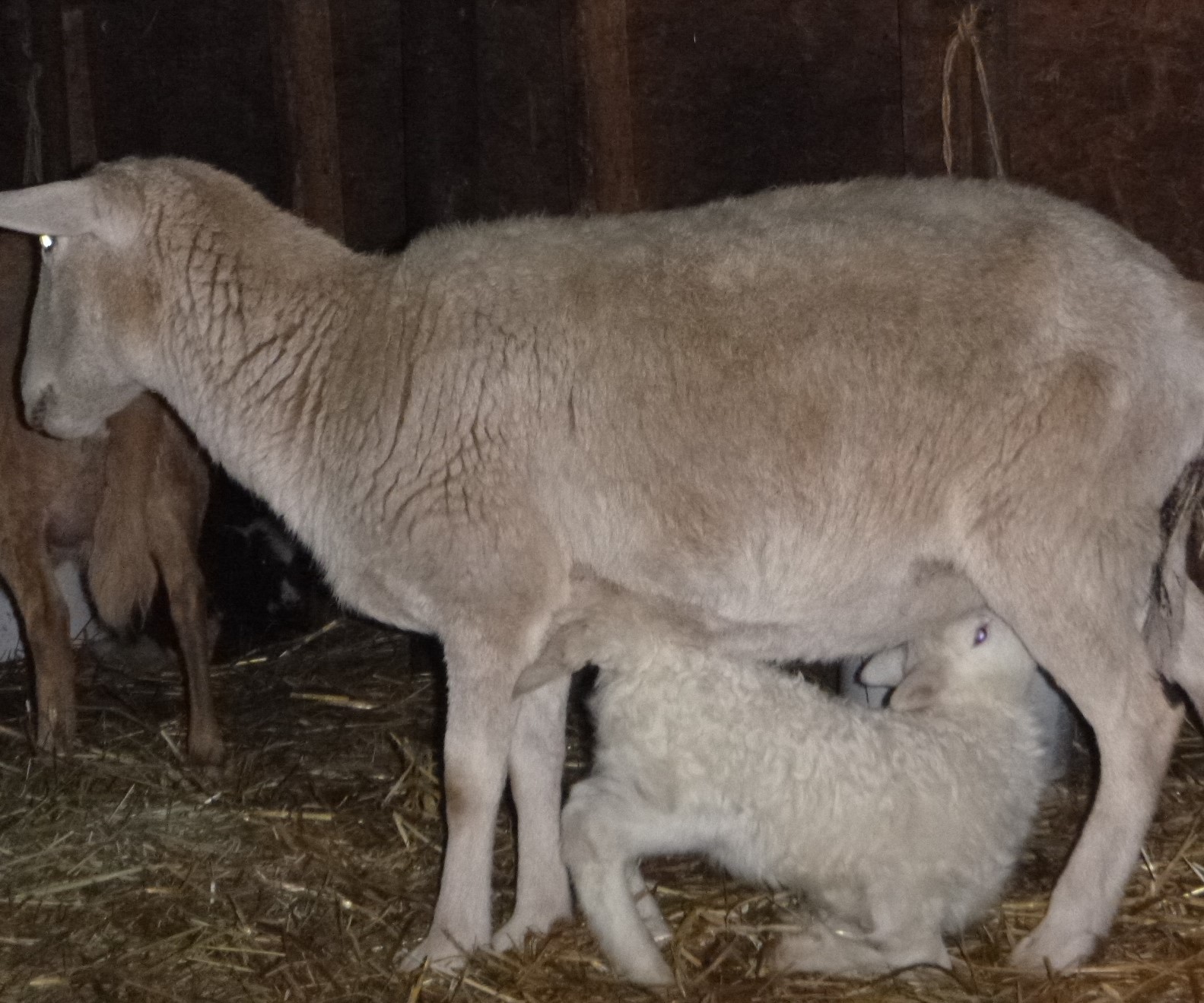
Below a great set of week old twin ewes, one showing my standard hair sheep color and one in white with freckled spots.

P1060016

I have only one ewe left on the stomp line but I have been blessed with a set of twin ewes from her Granddaughter this year, and so I will keep back at least one of them to increase that line in the flock.

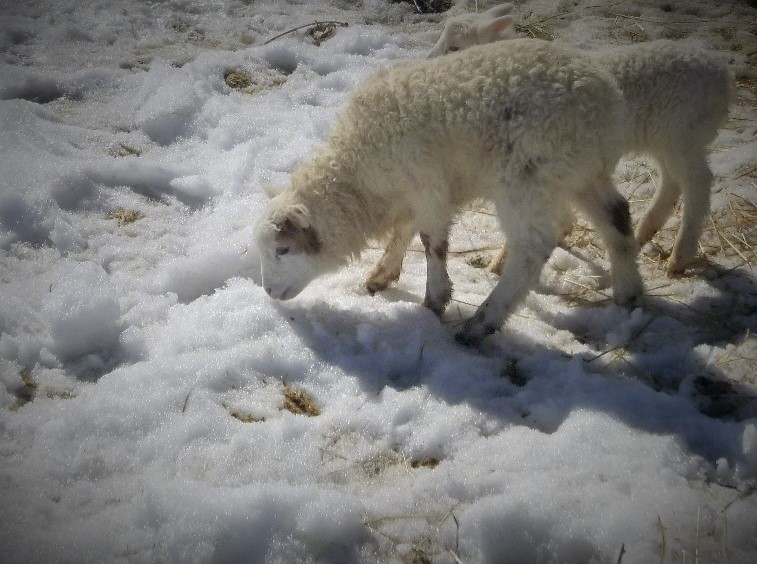
Ice was a new line added, she is a pure wool sheep and so her ewe born this year will if all works out in growth and so forth, will be a hold back to start that line in the flock, I am quite excited as it appears so far that the wee one is a polled female and she is mainly black with a bit of white trim, so that will give me Ice with a full white wool shearing and a ewe with mainly black wool to harvest. She is on the right in the photo, they are just two days old.

P1060017

Tess was added in this year, she is carrying from a unrelated male, and so any females she has will be looked at, and in truth, if she has a really nice male, it is possible, I will keep him back and cross him out to my mocha and Stomp line for a single year of lambs, as it will let me create a lamb crop of pure hair to keep back from. Tess is a outstanding example of a hair sheep.

So in total, I have five female lines, and my new ram Whiskey is unrelated to any of the current females, but that will not hold for long, soon enough, in some cases, he will be both a breeder and a terminal sire when breed to his own daughters and granddaughters at some point.

I do not replace my males as often as others, as most years all my lambs are set for butcher, this does not bother me at all. having said that, this is my second year of whiskey lambs and they are outstanding, I could not be more pleased with how they nick with my girls..

P1060014

Look at this huge two week old Butterscotch-Whiskey polled ram lamb.. outstanding! I used hubby as a way for you to see the size difference.

To me, three breeding lines is pretty close to being the min, I would want to work with, but for a smaller flock, five is as much as I would want to do. It takes time and effort to learn each line.

As a homesteader, do you rule female lines?  how many do you work with? Do you change males every year?

Posted in Life moves on daily | Tagged , , , | Leave a comment

After Lambing Care -Sheep Day

As I currently have a smaller, and slightly weaker twin lamb out of the twins born yesterday, it is with it, it is up and nursing but it’s no where near as strong as its sibling, and I am working with it today to give it a helping hand to get it a stronger start.. I will update on it..

DSCN5074

It leads in perfectly to my notes from the seminar in regards to after lambing care..

If self-feeding, a bottle Baby, the idea is 10% of their body weight in their mothers first colostrum, to which everyone in the room looked at the vet, who raised her hands and said, I know, I know.. even if you were tub feeding the lamb, you still would not get that much into them in the first 24 hours..

But what we all agreed was a good recipes for success was that

A) ewes colostrum is #1, milk the ewe (and if your ewes have twins, they will out produce a ewe with single lamb by a extra 400 to 500 grams of colostrum in the first day) so if you are going to do a single milk out to add to your freezer, take it from your in her prime female that has twins, she in fact has more to spare then the single mom does

* (Having said that, I am milking from my single lamb mom, because she is the only other mother that lambed the same day as this female, so I know that the milk is at the perfect stage for the boost)

B) if the choice is milk to get something into the baby, vs waiting a small bit of time for the milking and getting the ewes colostrum.. its better to wait for the ewes milk, because if the lambs belly is a touch overfull, first milk and then colostrum, you can have overspill into their next stomach, which is the leading cause of fermenting milk and baby death by bloating.

c) Powdered Cow Colostrum is useless for the lamb, better to just move over to an approved Lamb Milk replacer as the cow will not help at all.

Yes, Colostrum will keep one year well done in the freezer and of course as we all know, must be thawed carefully and warmed over warm water, never heated, no microwaves.

We all believe that the ph of the milk does have a effect on if they bloat, and I will admit that I faithfully always add my pinch of soda to each fresh bottle I make.. but it would appear that temp of milk and many smaller meals have a far greater effect on the positive side.

Have your well water checked, you can have issues in regards to health if you have to high of a sulfur content. (do your own follow-up on this one)

I clearly under grain my sheep, but I am ok with that, they are in good shape and I rarely have issues, but the recommend is 1 pound of grain per lamb on the ewe. Whole Grain is always better than ground.

Wheat is a “hot” grain to feed to lambs, as its considered a flash fermentor.. They recommend corn as the coolest, safest grain for creep feeder..  Not what I feed but it’s what they recommend.

The normal accepted Ontario sheep death rate (not including wild critter kills) is 15%, I find that interesting that its lower than a number of other breeds percent.

On a side note, in the heavy feeding producers, they are wanting to have the lambs at market weight in 120 days, and the expert says that most are needing vet issued Tetracycline in their feeds to make that happen.. The interesting thing about that statement, is how are they getting the proper withdrawal time in??

I on the other hand, take about 8 months to grow them on mother’s milk, grass, hay and garden produce so as a producer, I never understood that I really sell my costs shorter.

If you are somewhat local, they recommend Snow White Limestone from Perth Ontario as the place to get your limestone supply.

AAEAAQAAAAAAAAT_AAAAJDY0MGQyY2QzLWY4NmEtNDA1Ni04MTdjLTQ5YmVlOWQ4YjFmOA

http://www.doddsanderwin.com/services.asp

This is something I will be looking into for both the sheep flock and for my own farm, pasture and garden use.

If you have having any rumen issues in the 4 to 6 week old stage, thiamine at the right percents (talk to your ag rep for your feed mix) is proving to have good results.

New studies being done on adding 1g per head, per day of Epsom Salt to the routine for prenatal and post natal lambing for ewe health.

And for today, last but not least, if you are born with a number of big but lazy starting lambs, look to your Selium and give those babies their shots.

Posted in sheep | Tagged , , , | Leave a comment

Squash Bee’s Overview- Part 1

Good Day Folks, it is finally warming up above  freezing

Hiking

One foot in front of the other and steady as she goes 🙂

I have been off for a few days but its been so worth it, we have new lambs in the barn (three more sets of wee ones), and I have been busy at training days..  I have great sheep day training course (more on that later)

I took a day long course on seed production for small scale farmers to produce market garden quality seed for community projects or for sale. I will be working on transferring 17 pages of hand written notes into something that can be useable.

I have also started my hikes so that I am in shape for my gardening, riding and some of the other planned summer events.

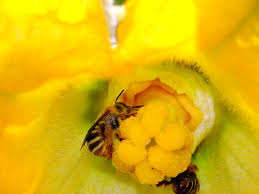
However lets get on target, one of the things I learned about was squash bees, now squash bees feed on all types of Squash, Pumpkins and summer squash and melons.

sq bee

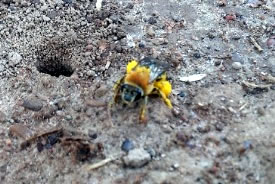
The bee’s moved along with the squash as it slowly made its way from south America to Canada. Lots of folks think these bees are honey bees at first glance but they are not. They winter underground and live under ground.

pollinator-conservation-on-small-farms-by-nancy-adamson-at-cfsa12-on-2628-oct-2012-cfsa12-48-638

Now I have without knowing it in all places but one on the farm been hindering not helping my squash bees, I tend to have my pigs or my chickens work up my beds in the squash area to help control squash bugs.. but without knowing it, I would have been working deeper in some cases then I should have for the bees.

female-squash-bee-nest-entrance-by-sue-willis-chan-thumb

But I do have one area on the farm that they have had squash grow for a number of years now and the area is a no till, so I am quite sure that when I check carefully this spring, that I will be able to find my own tunnels and thriving center at that place.

So this year, do consider them when doing the cleanup the ground around your squash beds and grow areas but do not till or turn them, even if you move the squash to a different area, the bees when they come out in spring, will find the plants and make new nests under the new plants, at that point, you can dig or double dig the old areas if you want for other garden use or planting.

These bees do not sting, and love that bigger squash pollen, sometimes you might even find a male sleeping in the warm sun of the afternoon in the flower itself..


Posted in Life moves on daily | Tagged | Leave a comment

Rice Water Rince – Overview

So while I tried to keep up on the blog during the storms, I ran out of time and the farm and the critters always need to come first, plus I lost the computer for a week and bit only having limited access to the net on hubbies in the evening. None the less, I wanted to do a overview of what happened when instead of using the rice water rinse, once a month, like I do for a deep condition..

Here is my normal hair, washed, air dried and then brushed.. this was done a two weeks before the challenge started..

P1050625

What o what happened when it became the main rinse for weeks.. the answer.. Volume.. Lots and lots of Volume! This is fresh washed, air dried and brushed.. after four weeks of only rice water or fermented rice water as my rinse. It also pretty much took out my color in a heartbeat.. Sorry for the bad photo, it was taken by the computer and it did something odd to it but it still shows what I want, which is the hair! LOL

WIN_20160303_131356

“The really hard was realizing that I am one hair wash away from being out of my favorite conditioner..  (how did that happen, why is there not any extra, because it’s not been on sale for months, or more like for at least a year plus) which let me tell you did not make me happy..”

My longer hair needs to have a softener added after being washed..  but we have eggs for a deep condition and we have lots of rice.. so I will be doing rice water rinse

Did you just go.. huh, rice water rinse? The joy of this is that you just need to soak your rice in water (which also cuts down the cooking time) and instead of putting it down the sink.. it has a job to do.. or you can make your rice with extra water just for this, either way, it’s very little extra work and because it can be stored in the fridge and or fermented to a point, it does not need to be made daily and it should be diluted

What is Rice Water?

Rice water, in its simplest form, is the water that is leftover after washing off rice in preparation for eating. It can be concentrated or diluted and even fermented to bring out most of its benefits.

Rice water contains nutrients that can fortify hair and renew skin when used as a facial wash or hair rinse, and unlike many products for skin or hair care on the commercial market, it is an easy and natural way to care for your skin and hair.

For more information,  check out it all out on this link

http://www.healthyandnaturalworld.com/rice-water-for-hair-and-skin/


Posted in Life moves on daily | 6 Comments

Purple Pea Pod Jelly Recipe

11424757_719955651464483_8386125700007834785_n

Purple Pea Pod Jelly

4 C pea hull infusion (see below)
5 C sugar
1 package Sure Jell (or other powdered pectin)
2 T lemon juice

For pea hull infusion: I got 4 cups of liquid from a pound of pea hulls, weighed before removing the peas, of course! Wash empty pea hulls several times; place in a large pot and add water until hulls are just covered. Boil hulls until they are tender and the liquid is a purple color. Strain liquid through damp cheesecloth, a jelly bag, or an old kitchen towel and return it to the pot.

For jelly: Add Sure Jell and lemon juice to the liquid,  Bring to a rolling boil; add sugar and return to a full rolling boil. Boil per the box or until wrinkle tests Remove from heat. Skim off foam. Pour hot jelly into jars. Process them ten min waterbath

ok, so this recipe came up  on my old recipe group, I tweeked it to make modern canning safe an its said to be a poor mans grape jelly for those that live where grapes will not grow but peas will. You know I love finding ways to use everything, and I am interested in seeing if different heritage pea types will make different flavoured jelly..

So tell me.. have you ever made or eaten pea pod jelly?

Posted in Life moves on daily | Tagged | 2 Comments

Lamb Hide Followup

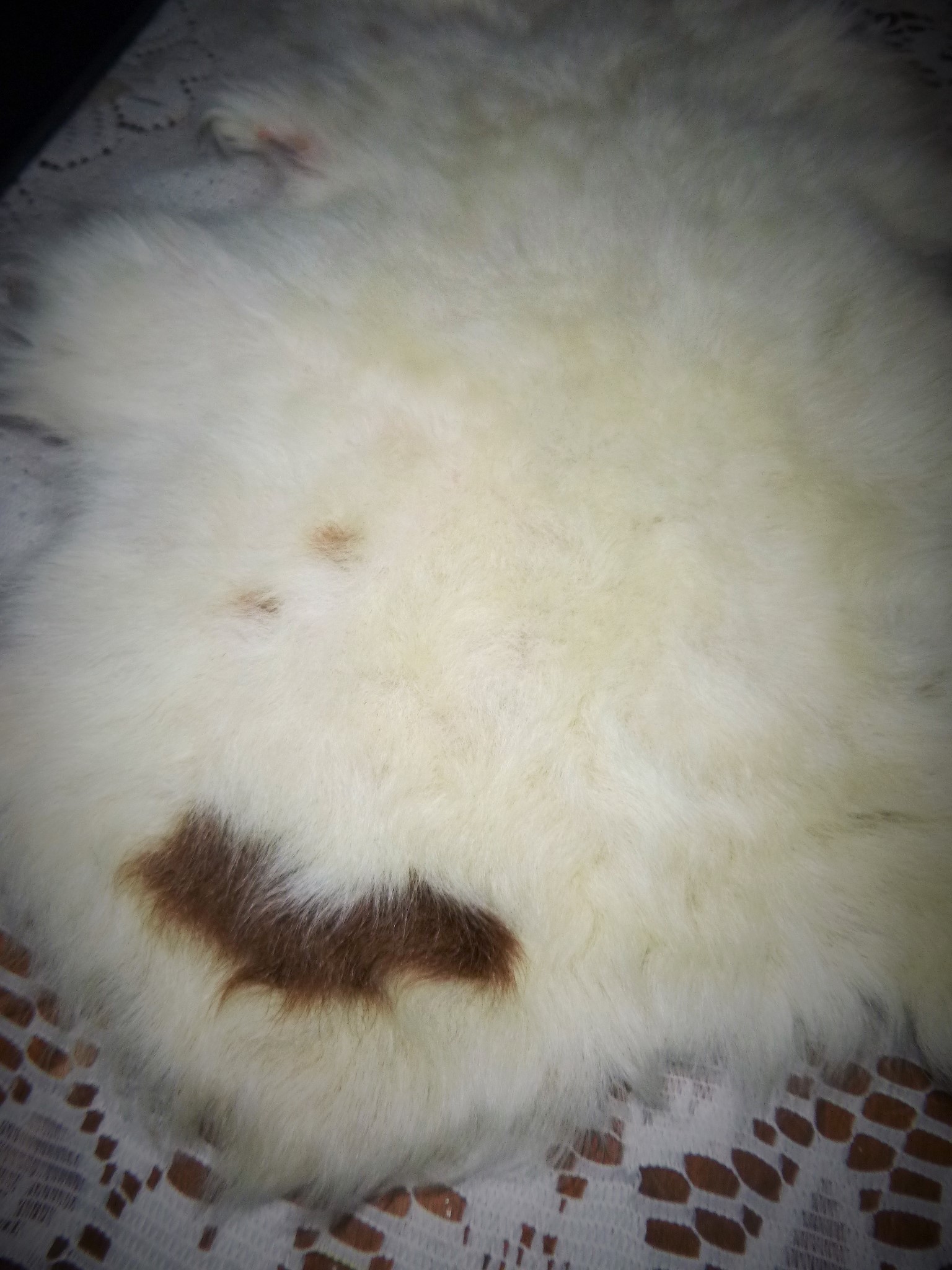
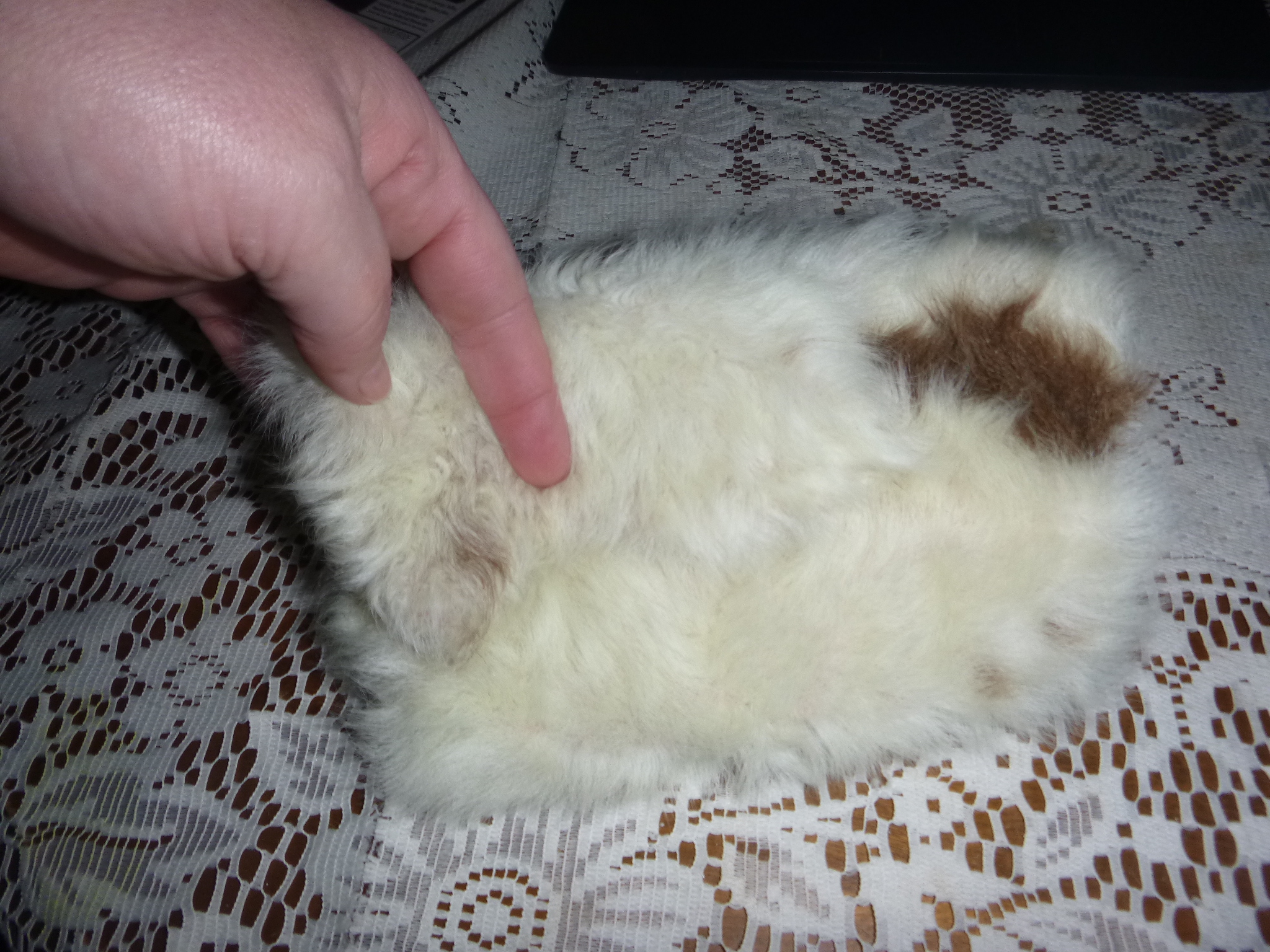
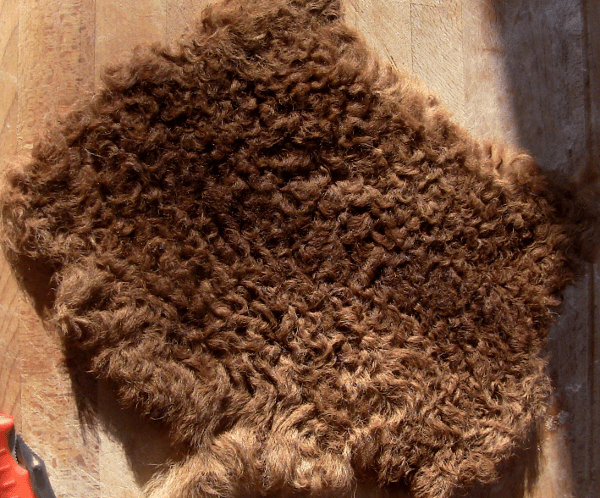
So from yesterdays post, the brown curly hide is the hair sheep and the fluffy white one is the wool lamb hide.

P1050941

Here it is green washed and wet, ready to be scraped and salted..

P1050942

Here it is dried, stretched and rolled..

P1050946

Here is the mock-up of the little sheepskin cutch purse I am going to make, I think it will be lovely when finished

Posted in Carfts an Hobbies | Tagged | 3 Comments

Lamb Pelts

So, this is a fast little post but I will put out a little challenge for you.. Both of these are washed, cured by me stillborn lamb hides..

One is a full hair sheep lamb and one is a wool breed lamb.. Do you think you can spot which is which??

hair sheep newborn hide

P1050942

Posted in Life moves on daily | 2 Comments