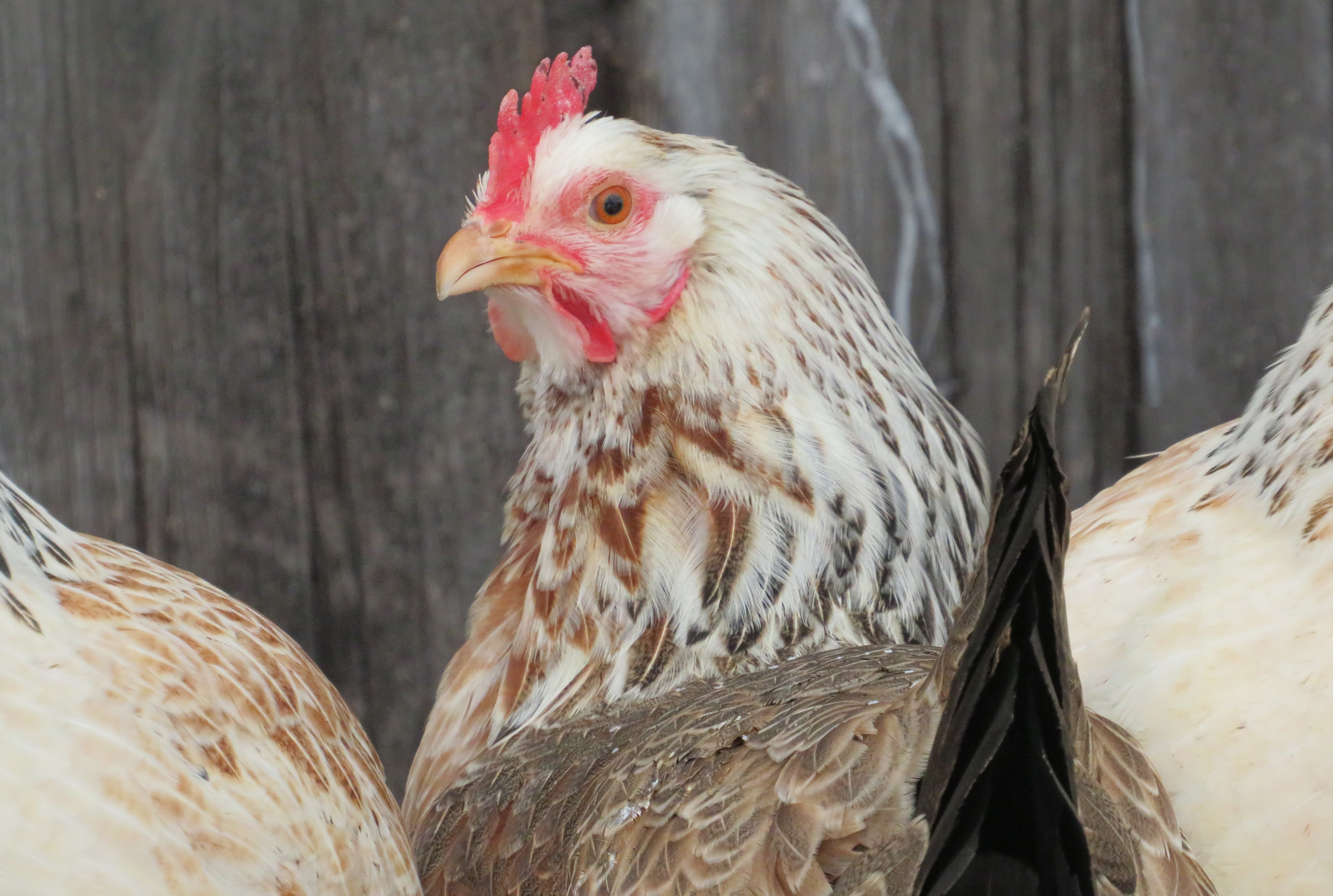
Log into any chicken group or homesteading group and folks will talk about saving their egg shells, baking them and crushing and feeding them back to their flocks
I have done a detailed post on it myself and its good practice
Head over to your local gardening group and they are going to talk about egg shells and there is going to be split thoughts on this, some will dry/crush and use directly in the gardens, others will just crush or toss them into the compost bin/worm bins or in trench composting, others will dry and crush them, soak them in vinegar water to create a type of compost tea.
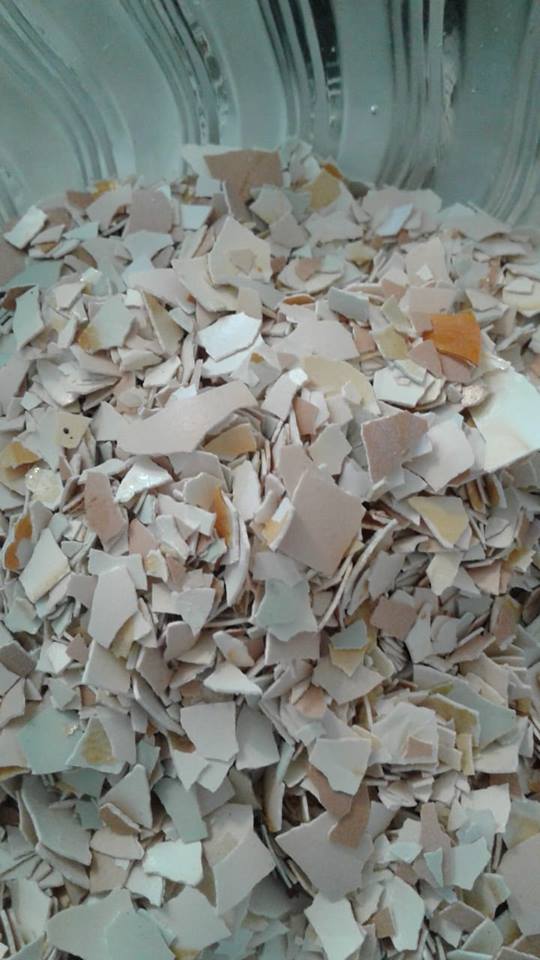
All work in their own way, i have used crushed egg shells as slug rings, all those super tiny sharp cutting edges are awesome at giving a helping hand. That’s about where i crush to for laying hens, or garden use or compost and so on
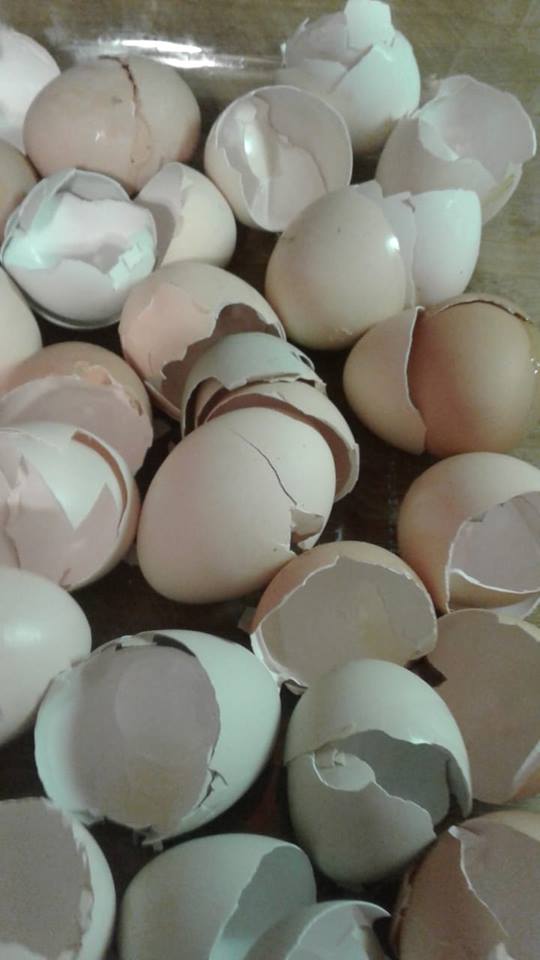
Today however i would like to talk about offering dried finely crushed egg shells to a different bird or birds then we would normally think of and its layered effects. I would say that i crush these at least to half the size i do normally, i hope you can see the difference between the two sizes?
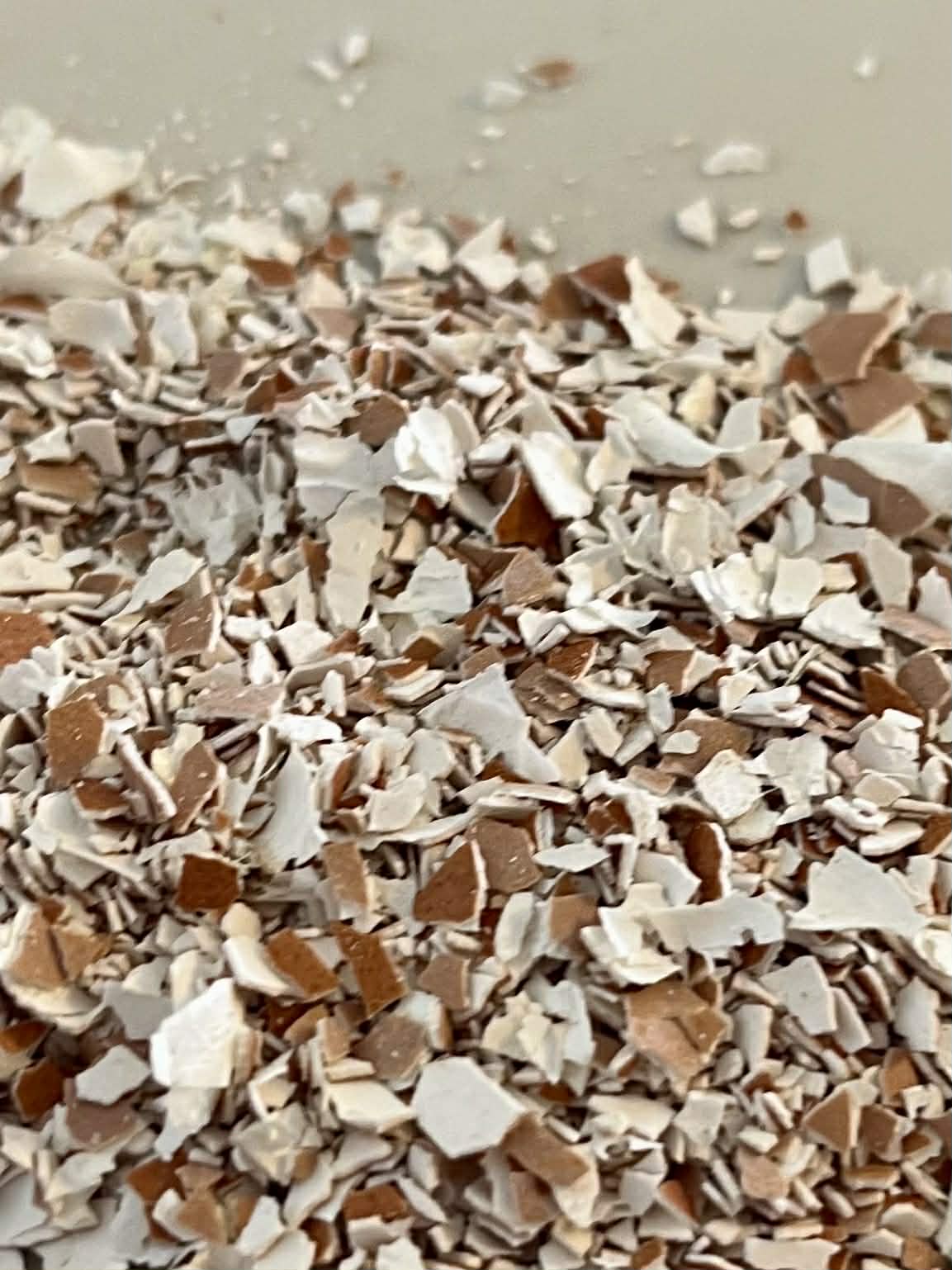
These ones will go out to both the ground feeders and the hanging feeders for all the little wild birds, this is for the females and i started feeding this out in early fob and will continue to do so until the spring is well underway.
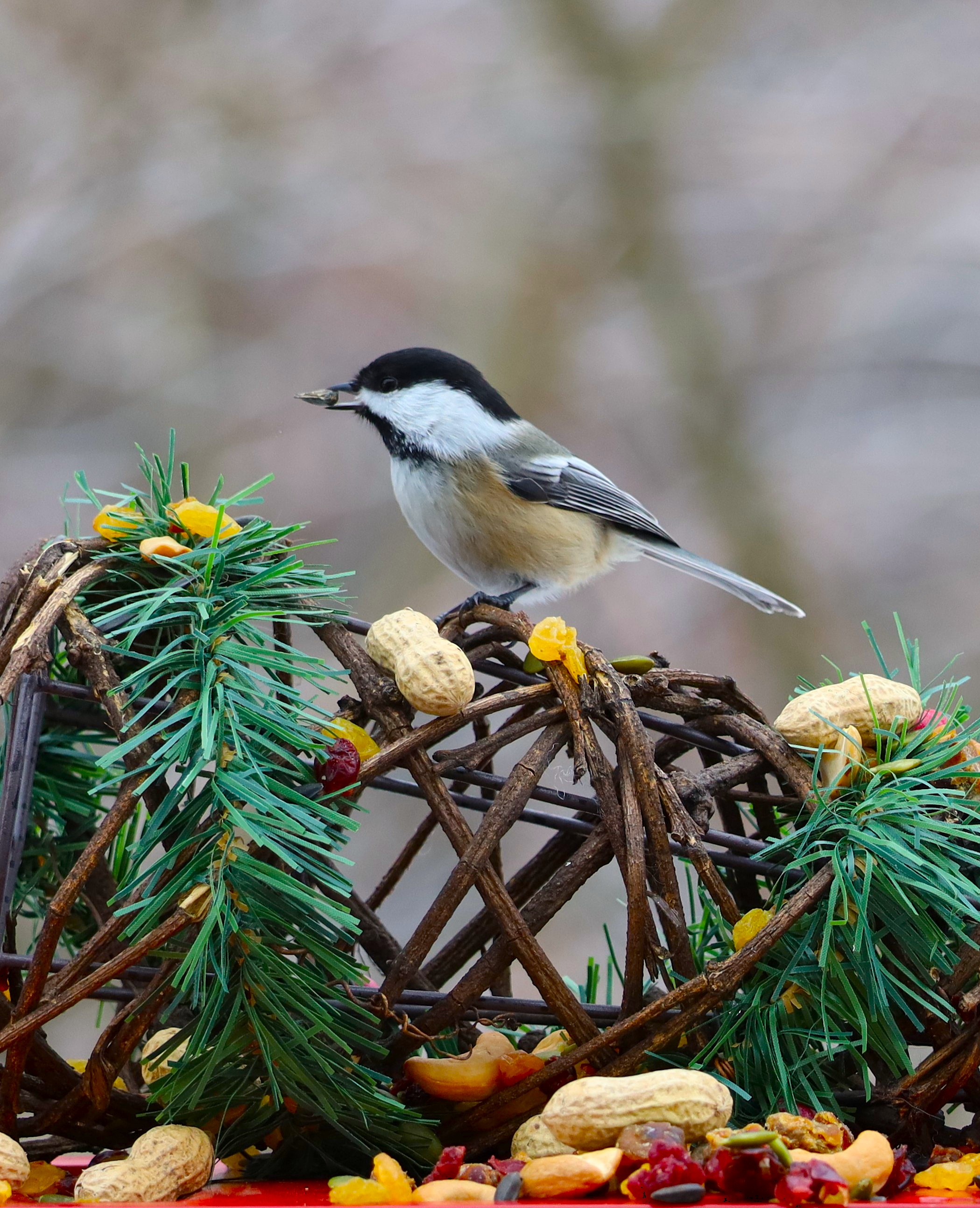
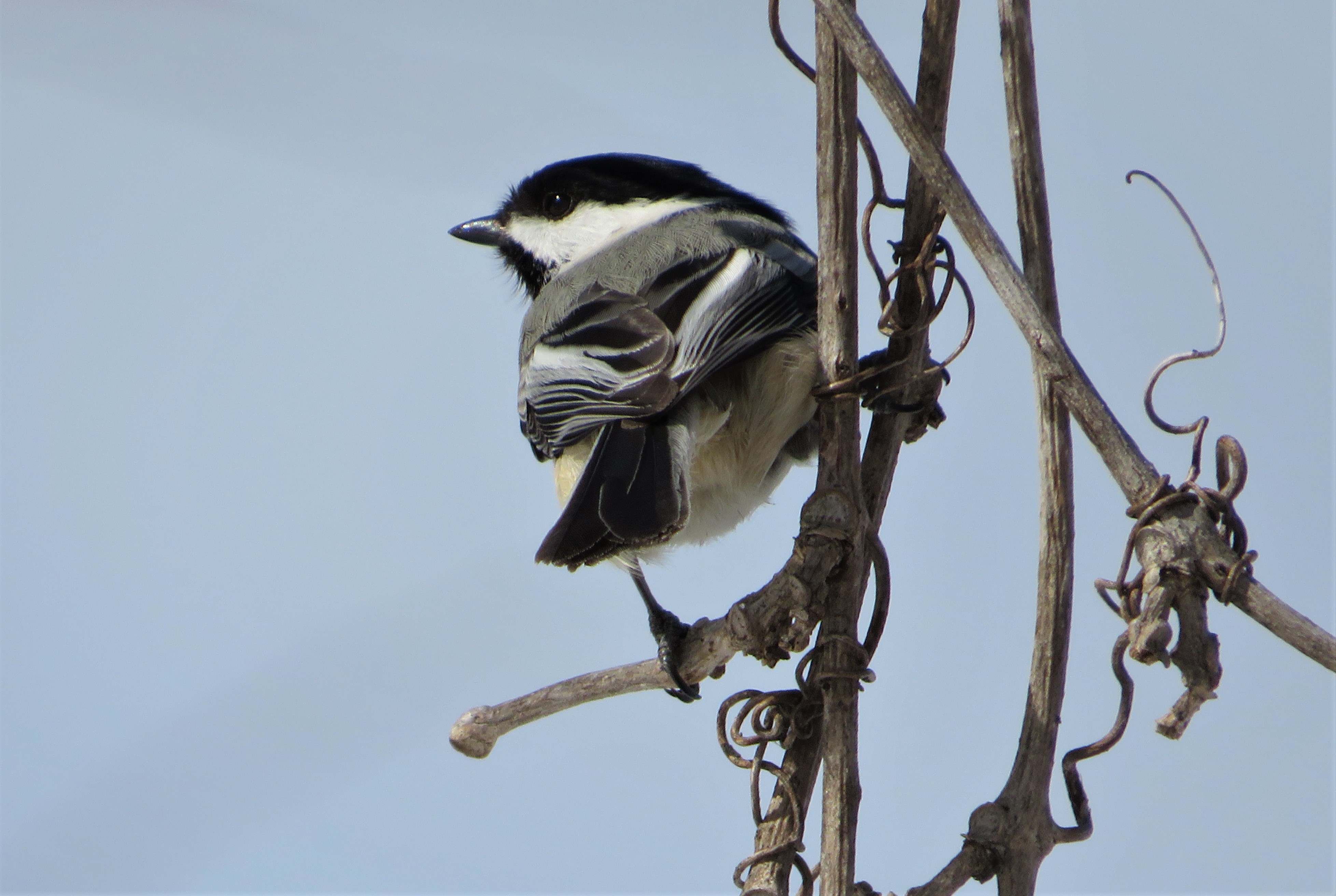
While this little Chickdee is very fun in winter, it and so many other of the year round smaller yard/farm birds are so important in our food forests, and kitchen gardens and even into our big homestead gardens.
Trying to stay away from chemicals, then you need to be doing everything you can to be supporting your feathered garden helpers.
When it come to Chickadee’s and around 90 plus percent of small birds, they feed their babies insects and a lot of them! I mean A LOT!
Bugs are for breakfast, lunch, dinner, and multiple snacks per day in baby bird world. In fact, a group of scientists from the University of Delaware conducting research on chickadee feeding patterns determined that it took between 5,000 to 9,000 insects to raise one brood of baby chickadees.
That’s right getting one or two sets of breeding/hatching parents can mean that you as a gardener can have up to 10 to 20,000 less issues in your gardens and fruit canes, bushes, and trees etc and each breeding pair tends to do this twice a summer!
In the wild, snails and their shells make up a massive part of making sure those momma birds have enough Calcium in their diets to make strong egg shells, otherwise, they will pull from their own bones leading to weak bones, thinner egg shells and lower hatch rates.
In Zone 5a an in large parts of canada, as well as other counties in the same temp zones, we are in that odd time of false spring, temps are going up, longer sun hours are here, sugar snow is happening, and sap is starting or is running for the first of the maple syrup harvests, and that means that the birds are starting to preen, find their mate, and so on.
We want the best health of our mother birds, we want strong egg shells to help create higher hatch rates because for every healthy chick that hatches, that is a thousand or more worms, bugs and so on that is going to hunted out of your yard, garden and orchard or food forest! NO spending money on tapes, or bags, or sprays..
Just working with nature.. So might i highly recommend that bird feeder is idea but even if you don’t feed the birds, find a spot they go by, bird water, favorite sitting sunning and singing spot, and consider putting out some dried, finely crushed egg shells, sprinkled in the dish, stump or ground feeding area.
Yes, once spring truly gets going, you are welcome to let them harvest snails and snail shells but while there is snow on the ground, while its cold enough that they are not going to be able to find that naturally yet, lets give them a tiny simple helping hand from a by produce that we would tend to throw away or compost.
This is a great little kids project for those that live in town as well, helping nature, learning about life cycles, and helping them understand how little things can have great impacts down the road.


 Just another Day on the Farm
My sister and her husband allow and build around their farm to encourage swallows to nest on the farm. They eat and catch A LOT of flies to feed their chicks and do help in keeping the amount of flies down in summer 🌸
Swallows are such wonderful birds to have the farm for sure