With Winter having a very firm grip on us with loads of fresh snow, there is not a lot of forage available right now, in the “hunger months”
A single serving of raw High Bush Cranberries (100 grams) contains 25 grams of carbs, 1 gram of fat, and 0.4 grams of protein. It is also rich in micronutrients such as Vitamin C, Vitamin K, and Potassium, and antioxidants such as Anthocyanins and Flavonols.
The lean months are coming, we have held the feasts of yule, we are though the first month of the new year but the dreams of fresh forage and greens is months away yet.. Lets focus on what we can do over the next weeks to months!
Still there are things to be found, perhaps you picked enough of these after the hard frosts and you are good.. or perhaps you are new to forage right now and looking outside to that frozen world, new to local foods, new to forage.
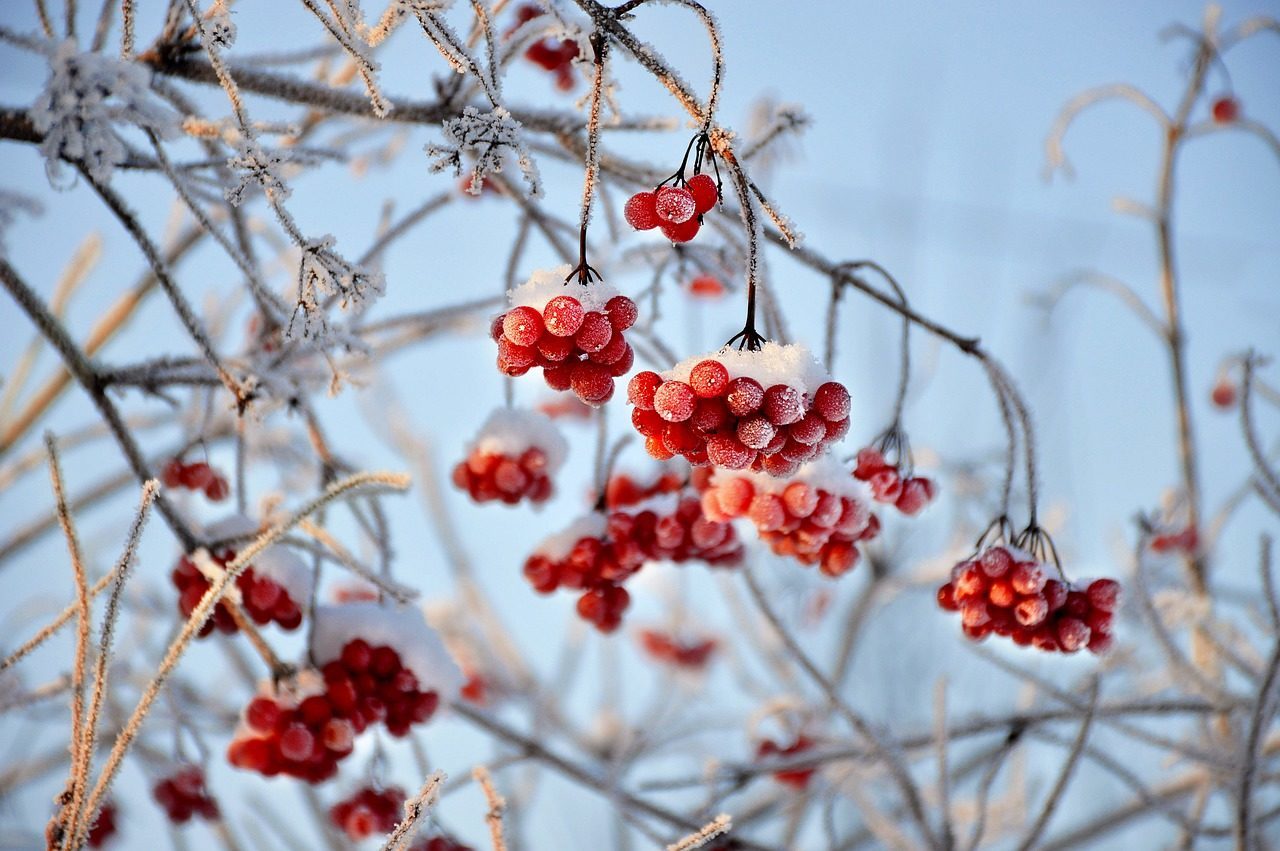
As i drive around, i see them frozen in clumps all over our local Ottawa valley, bright spots of red in the landscape and they are used for landscaping, and most folks think of them as bird food. Do leave the high ones up for the birds but you are welcome to pick and bring home enough to make a small batch or two of high bush cranberry syrup for use in foraged tea, use on your pancakes or waffles, or perhaps you would like to try it as a local meat glaze.
As long as its made with Canadian Produced Beet Sugar, its full Canadian sourced indeed or with pure cane sugar (which you can easily trace where it grew and where it was processed).
Want to learn more about this plant? Here is a overview i had written a number of years ago here on the blog.
The high-bush Cranberry grows to a height of about 4 meters and bears large red acid fruits in drooping terminal clusters. There are at least eight speices of related bushes across canada, some of the common names include squashberry, hobblebush, moosewood, nannyberry, sheepberry.
For me personally, I am after the high bush cranberry, and leave the other’s alone, I don’t find them to be worth the time but feel free to try them and make up your own mind on if they appeal to your taste buds.
If you are hunting for them, look to edges of woods, and around ditch’s or edging swampy area, they seem to like moist areas, they can be found thoughtout the southern part of canada from Newfoundland to central B.C. Their relative Squashberry is more northern, liking boreal forests, and grows from Alaska to Labrador.
The fruits are quite juicy but are very acid (think pucker your whole mouth), when first mature, they are hard, crisp and very sour, but after getting a good hard frost, they become soft and quite palatable even raw but will still be tart.. they are best when cooked as either a sauce or Jelly.. (farm gal note, they have way to big of a seed to be used straight in a sauce, but if you put it the though the food mill, you will lose the seed, but get more flesh then if you make juice.
If you have a steam juicer, that will make the most juice and give the best color
High-Bush Cranberry Jelly.
- 8 cups of washed and de-stemmed high bush cranberries
- 1 cup of water
Place the berries and the water in a steel pot and simmer for about ten min. Drain threw a jelly bag or double layered cheesecloth.
Measure your juice and boil for at least five min, use six cups of sugar for each 4 cups of juice.
Stir till sugar dissolved, then bring in to a boil and cook, stirring constantly, until jelly sets on the plate test, the recipe uses open kettle canning on these, so it says pour into hot sterilized glasses jars, store in a cool place, if you want to waterbath, I would say ten min would do the trick, This makes a tangy dark red jelly.
These berries were used by the native peaple of Canada, in B.C. they were so valued that berry patches was owned by certain families and were passed on from generation to generation. The berries were perserved in oil or water in tall cedarwood boxes and were eaten at feasts. The boxes of berries were also used as gifts or as trade goods. Among the Kwakiutl of Norhtern Vancouver Island a box of berries was considered equal in value to two pairs of blankets.
Moving over to Europe, the Norwegians and Swedes eat high bush cranberries cooked with flour and honey and also distill a spirit from them, They were also a favorite in Maine by the lumbermen of old, who used to eat them with molasses..
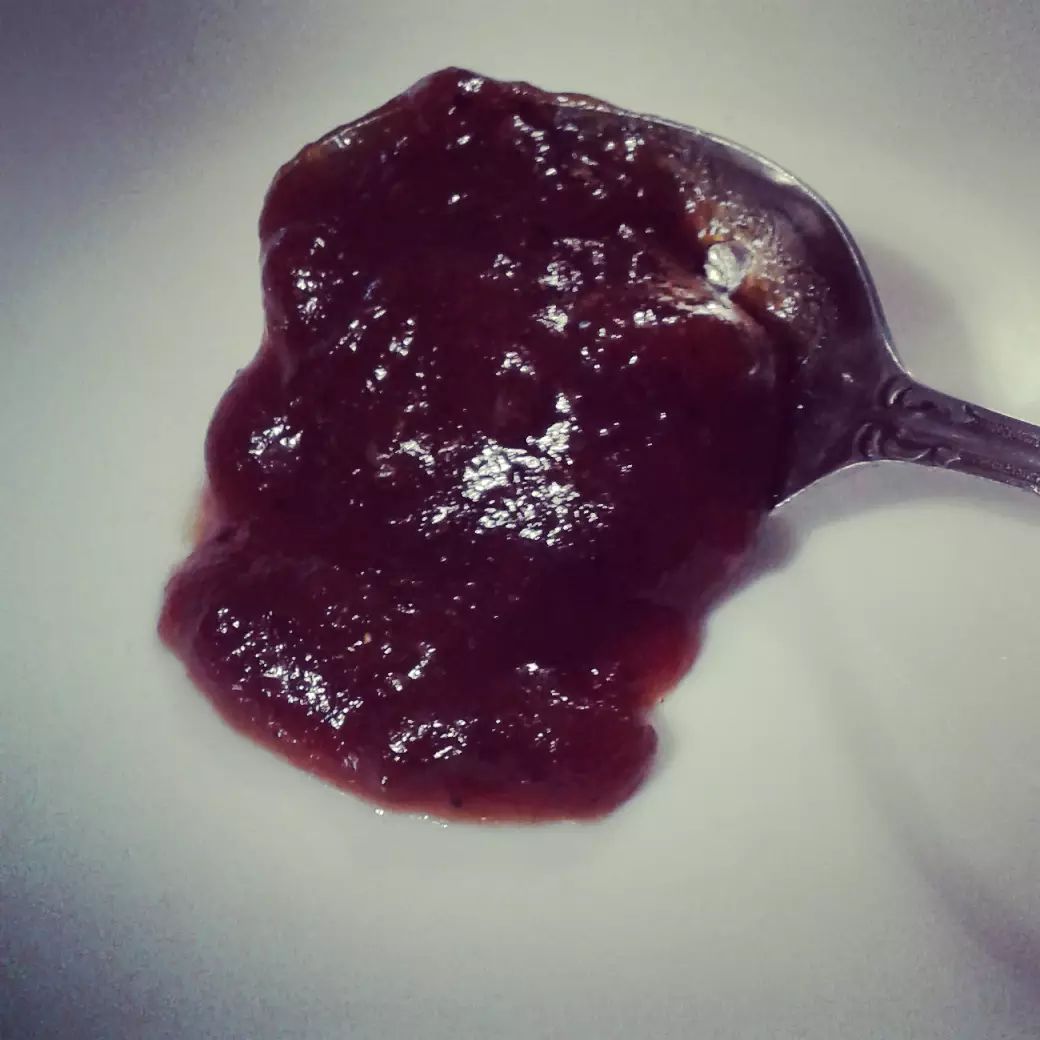
All ready do the basic syrup or jelly, take it to the next level.. here is the most amazing High Bush Cranberry BBQ sauce, this can be used on meats of all kinds and can also be used in sandwiches as a dressing.
High Bush Cranberry BBQ Sauce
- 8 cups of late fall harvested after at least one or two good frosts softened High Bush Cranberry * (see note)
- 2 cups sugar or 1 1/2 cups honey
- 1 cup of vinegar (If you are water bath canning, if pressure canning, the berries are acid enough, leave it out)
- 1 tsp salt
- 1 tsp ground black pepper
- 1 tsp keens hot mustard powder
- 1 tsp of ground cinnamon
- 2 TSBP onion powder (not salt)
- 2 TBSP Garlic powder (not salt)
- 1/2 tsp all spice
- 1/4 tsp or a pinch of ground cloves
High Bush Cranberry Note* Pick the berries, wash the berries, into a pot just covered with water, simmer them 5 to 10 min at med heat and then give them a mash with a potato masher as they are cooking as you want as much of the fiber as well as the juice for this recipe.. cook with some stirring and mash again if needed till all are popped for another 5 min..
Strain into a screen or a seed remover, and stir with a clean big spoon until you have the juice and all the pulp in the bottom bowl and the seeds and the few bits of skin that did not soften and get small enough to throw out..
Put that back into a clean pot (med heat) add all the rest, stir well, bring to a simmering boil, turn down if needed and cook slow and low to thicken it to your desired thickness.. if you want it more like a HP type BBQ you will want it a bit thinner then I did it, I wanted thick.. so I simmered down till I have lines when I ran the whisk in it.. you can see how thick it settled out after being canned
This is a smaller batch 4 or 5 small jars only.. water bath can for 15 min
Its got good fruit undertones while clearly being in the BBQ sauce family.. delightful!


 Just another Day on the Farm