
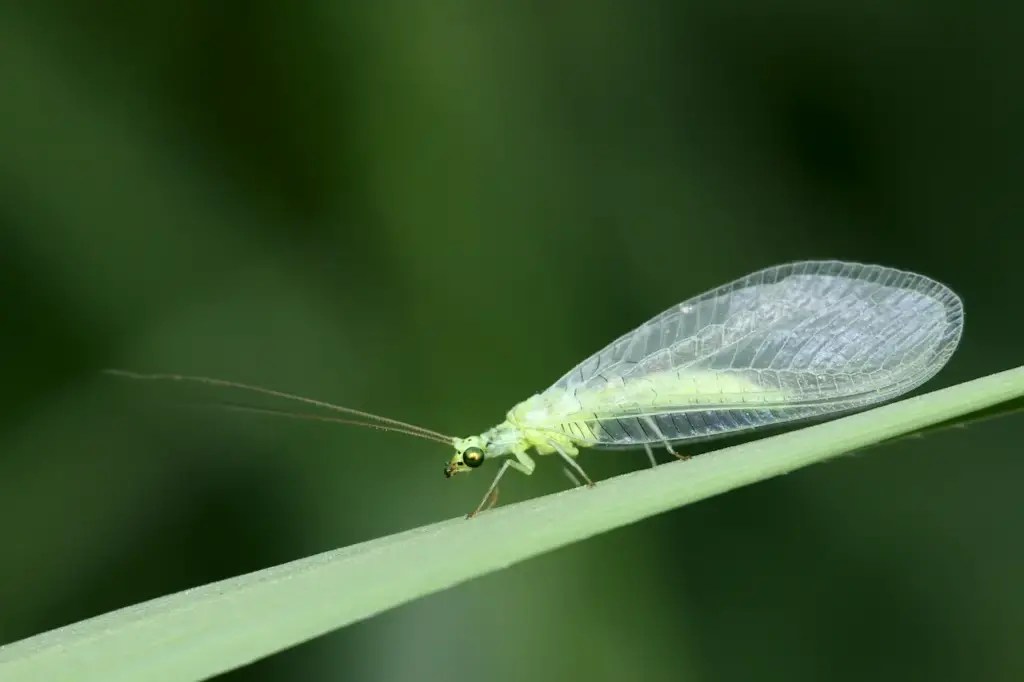
“Most green lacewings have golden or copper eyes and are found on foliage. They are poor, erratic flyers and strongly attracted to light. Some 25 species occur in Canada, the most common of which are the common green (Chrysoperla carnea) and the goldeneyed (Chrysopa oculata), found in all provinces and territories except Nunavut.”
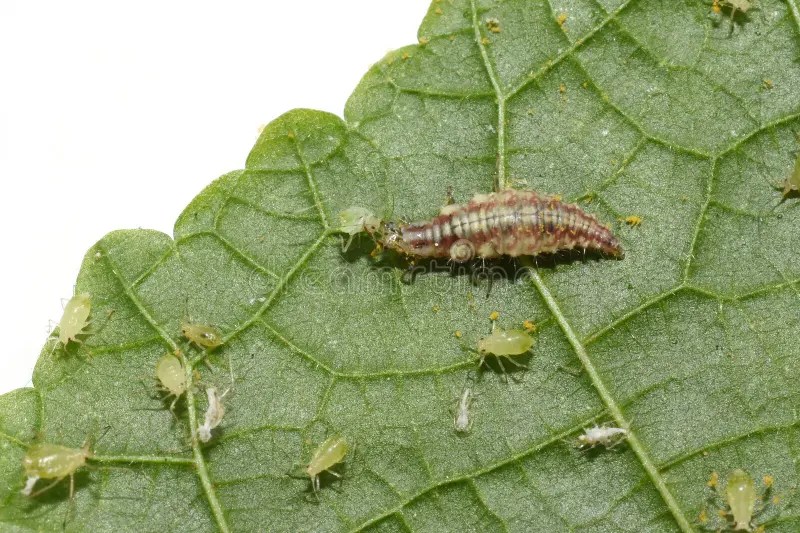
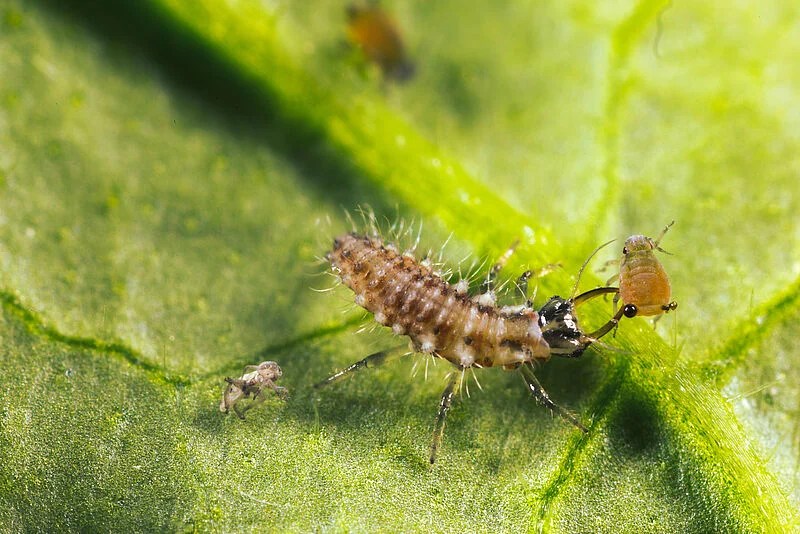
Tiny, bad flyers and o so fragile wings and for most folks unnoticed, their larvae, however, are entirely different beasts, being voracious predators, and are often nicknamed ‘Antlions’ or ‘Aphid-lions’ pertaining to their ferocious behavior and enormous appetite for Aphids and other small invertebrates.
We want these in our organic gardens, the green are most likely to be in our gardens, with the brown more likely in the food forests or more naturalized areas
3 Top Reason’s to want these amazing friends and their offspring in your gardens and yards, no matter where you live! Big or small, they are worth giving them what they need to increase their numbers.
1 – Rapid Reproduction Each female will lay several hundred eggs, each lacewing larve can eat up to 200 pests before it is ready to move on to the next stage, they are a powerhouse indeed! The females overwinter in leaf cover and come out for the first of TWO hatches per year. This means you do not need many females to successfully overwinter in order to rapidly build a army of larve, and its timing works with out Zone 5a timing for second fall planting timing.
2- Eco= Friendly Pest Control, by hosting and providing what they need, they will help you in your organic battle protecting your plants, soil and more
3-Adults offer Pollination ability’s adult lacewings visit flowers for nectar and pollen, contributing to the pollination process as they move from bloom to bloom. We are very lucky indeed that many of our favorite’s are theirs as well
Added Bonus, they are so fun to try for good Macro Photography on!
Now you might be wondering, why is she posting about these guys now?
Why because we are starting flowers from seed and we are planning our gardens right now!
Adult lacewings don’t eat pests; they need nectar and pollen to survive and reproduce. By planting specific flowers, you’re essentially laying out a buffet that says, “Welcome, make yourself at home!”
Look for plants with small, open flowers that make nectar and pollen easily accessible. Here are some top picks:
In the garden itself
Dill and Fennel, they are magnets for so many beneficial types including all types of lacewings, their flat topped style of flowers are perfect landing pads and amazing spots to try for that macro photography!
In the flower beds or garden edges look to Cosmos and Angelica, again anything is open single flowering type will work, the truth is for most things if you can avoid double blooms its best, they are bred to be showy for us, but not great feeders for pretty much anything

For both a mix of native and flower beds, look to the ASTERS, these are idea in gardens, flower beds and meadows/food forests, they can get huge! Check out that amazing wild grown aster plant in my park garden, it was covered in small native bees and so much more! (Farmgal Photography is for hire both locally and i will travel for the right project!)
Providing Shelter and Water
Beyond food, lacewings need places to rest, hide from predators, and find water, especially during hot, dry spells.
Think about creating a layered habitat.
Ideally leave some taller grasses and shrubs, in the flower bed, perhaps a lovely clump of grass to add texture will also serve well in this way, for the garden, well placed fruit bushes on edges will work very well. Shallow pans of pebbled water left out tucked under a bush or near good feeding stations will help keep them in your desired areas in those hot summer days.
Winter time, they need leaf litter to successfully overwinter and that also means no early clean up in the spring, so if you know you are going to clean up a certain area due to it being a early spring micro zone, don’t leave leaf litter there, have a spot near the garden that you leave it for them to find and spend the winter in that you know you can let it be.
What is your most common Lacewing in your personal neck of the woods? Have you spotted them over the years? There are going to be a lot of new gardeners starting and lots of older gardeners expanding this year and years to come, a little planning for eco friendly, extreme low cost ways to help your garden thrive is well worth a tiny bit of planning on your part to invite and keep these guys around.
if you truly can’t find any, start looking for the adults and if need be carefully move a few of them to your garden area giving them all they need, they will quickly settle in and become fast friends!


 Just another Day on the Farm